Hotel Kanra
Kyoto.
4 critic reviews
filed.
It earns its reputation on substance rather than spectacle: the machiya design is real, the rooms are unusually spacious for Kyoto, and the food outpaces most hotels this size. What you are paying for is calm and craft, not a showy address, so temper expectations if you came for glamour.
Kanra is more of a quiet secret than a headline. It has design-award interiors and serious kitchens, yet it hides in a plain neighbourhood that keeps it off most first-timers' shortlists, which is precisely what makes it feel like a hidden gem.
angles.
Machiya logic, without the kneeling
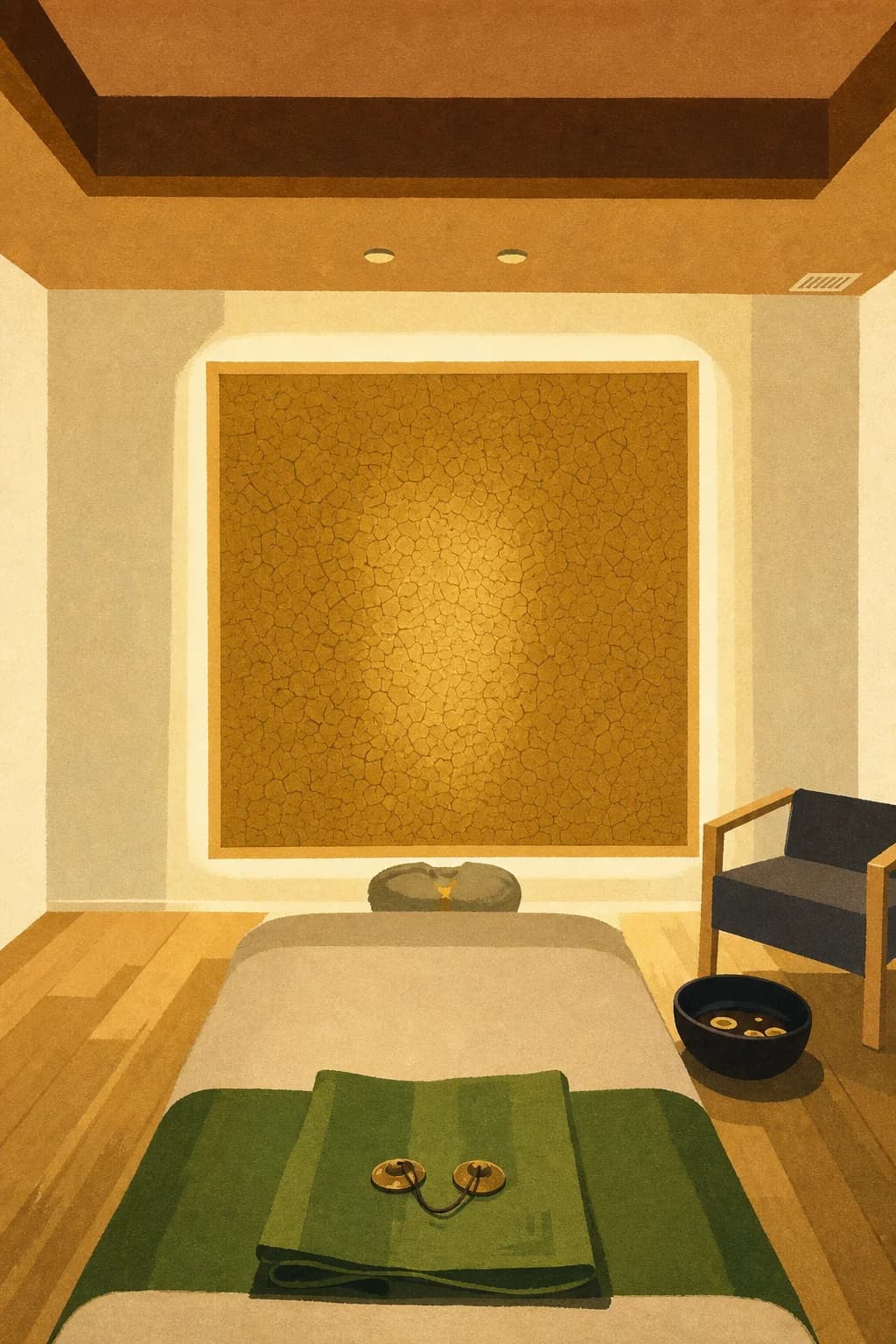
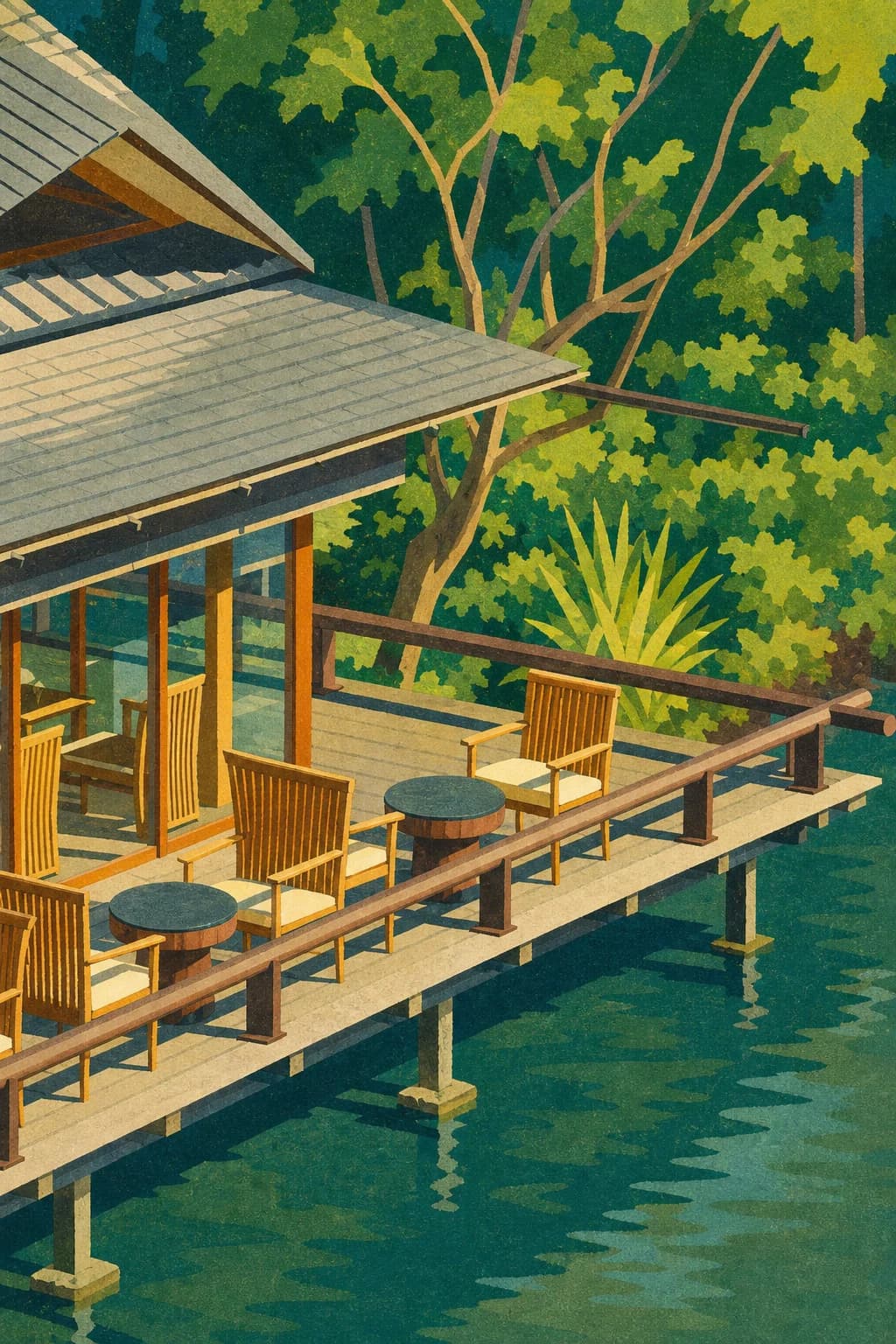
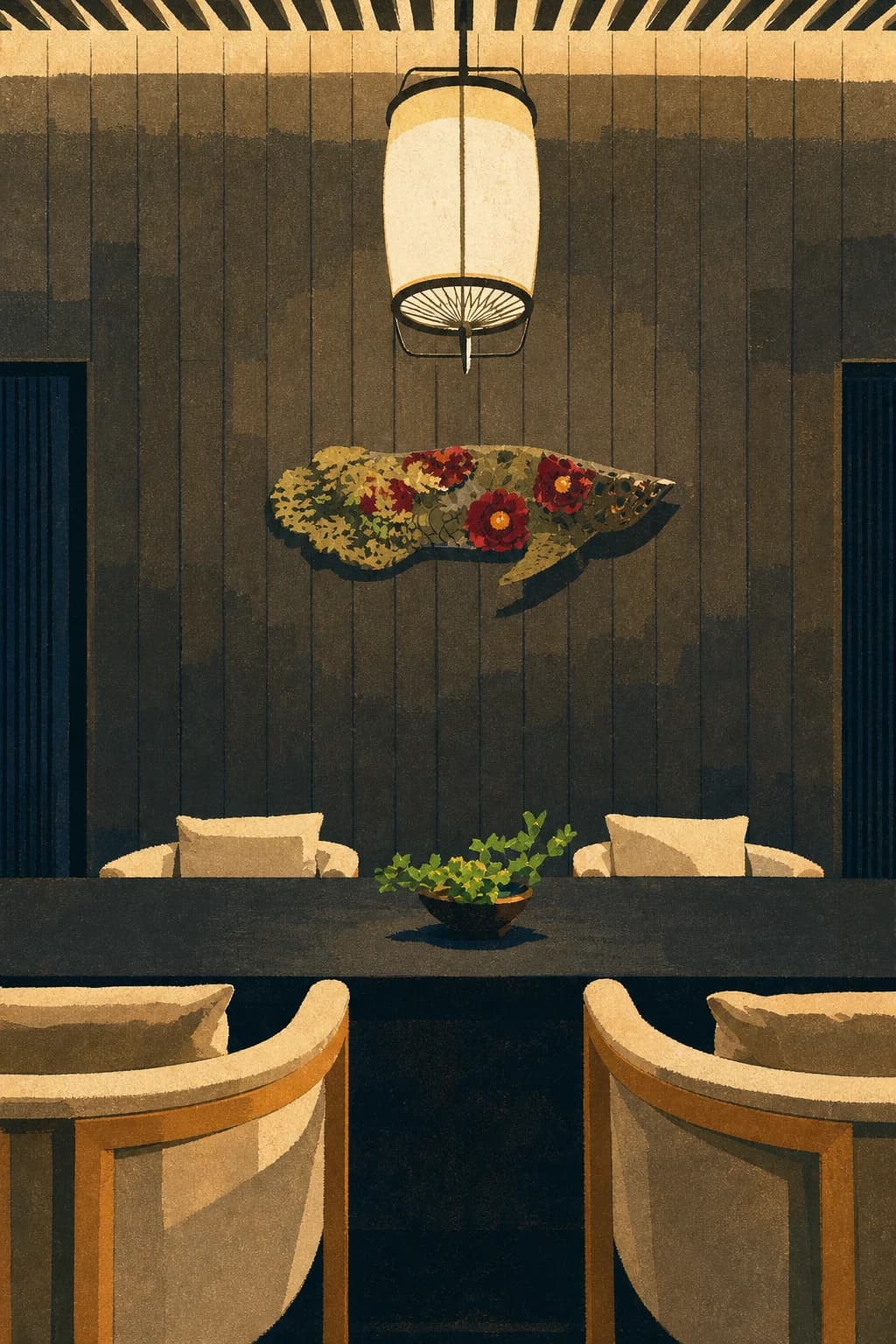
The building borrows the machiya template: a narrow wooden Kyoto townhouse, long and low, built around light and restraint. Rooms carry that through with floorboards meeting tatami, natural wood on every surface, and deep soaking tubs. Some open into two-level loft layouts. The interior design, by UDS Ltd., earned an A' Design Award, and it shows in how little the rooms try too hard.
Four kitchens under one roof
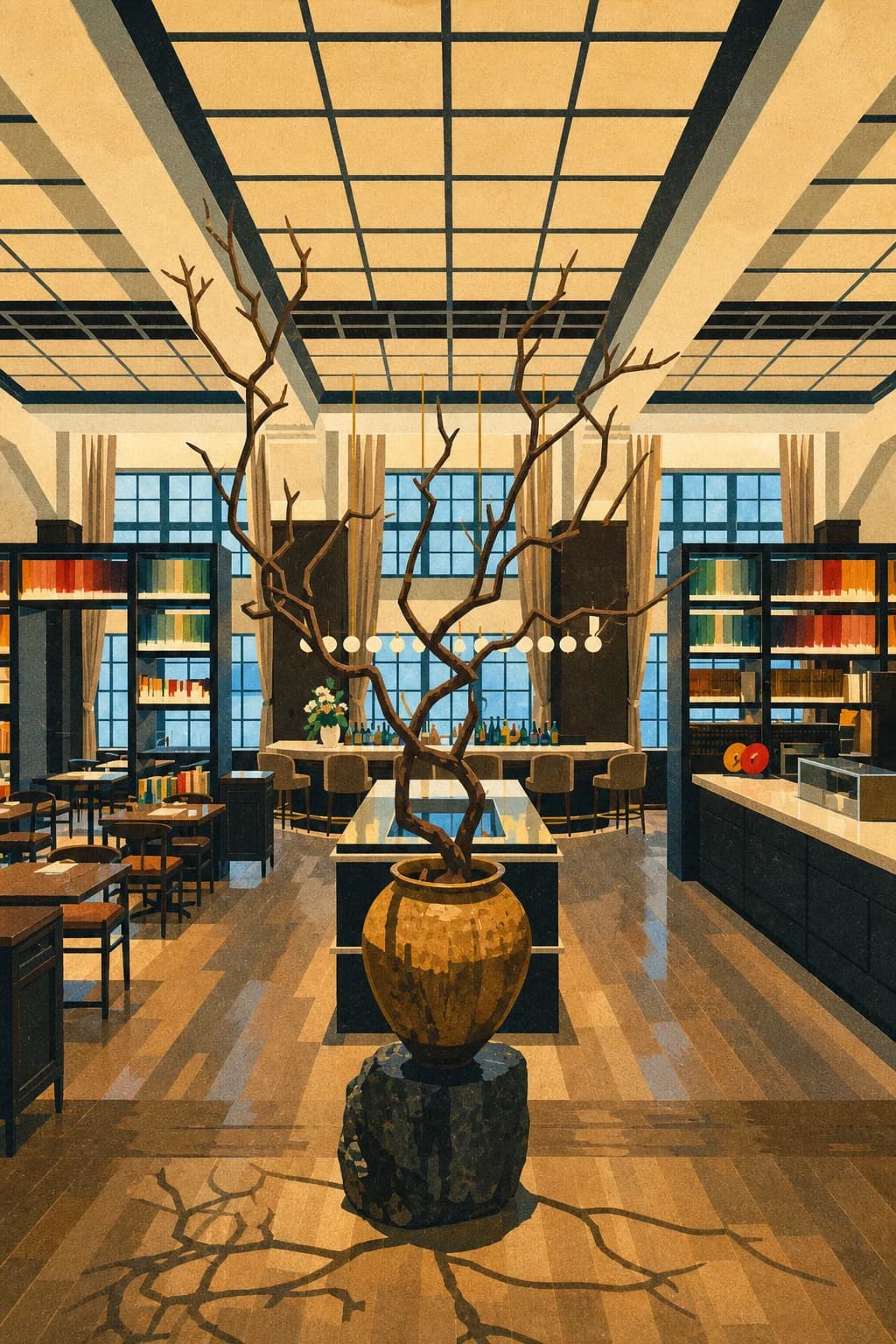
You do not have to leave for dinner. The Kitchen Kanra runs Italian, Hanaroku does teppanyaki over local ingredients with the chef working the counter in front of you, and a bright public cafe handles the between-meal hours with greenery and hand-drip coffee from regional roasters. Breakfast comes Japanese or Western. For a hotel this size, that is an unusual amount of range without stepping outside.
A quiet, unglamorous, useful address
Kanra sits in a plain residential pocket downtown, between Higashi-Honganji and Gojo-dori, which is not where postcards get taken. That is the point. You are one minute from Gojo Station on the Karasuma line, a short ride from Gion, the Nishiki market, and the temple circuit, but you sleep somewhere calm and local instead of somewhere loud. The hotel rents electric-assist bikes if you would rather pedal it.
talk.
mapped.
“It's clear from a glance that this is an unmistakably modern design hotel, but it's one that takes its inspiration from Kyoto's ancient…”
record.
Kanra is one, which is why it fills up when the city does. It reopened in October 2016 with a new visual identity from artless Inc., and the interiors, by UDS Ltd., went on to win an A' Design Award. The idea is a machiya, the narrow wooden townhouse Kyoto built its old life around, translated into a place you can sleep in without kneeling on the floor.
Rooms mix floorboards and tatami, natural wood everywhere, deep soaking tubs, and some run two levels loft-style. Downstairs there is a spa, an Italian kitchen, a teppanyaki counter, and staff who practice kintsugi in the lobby. It sits in a plain residential pocket between Higashi-Honganji and Gojo-dori, one minute from the subway. Come cherry season or autumn colour and you will want a booking well in hand.
changed.
Kyoto's demand curve is one of the most legible in Japan because it is almost entirely botanical. Two events set the peaks: cherry blossom in late March and April, and maple color in November. In those windows the city runs at capacity.
The two blossom peaks are a lead-time contest, not a booking exercise. Small houses in Gion and Higashiyama get spoken for six to nine months out, and the marquee rooms go further still. If your heart is set on blossom or foliage at a specific address, treat lead time as the whole game and book the moment dates open.
The shoulder months either side reward flexibility. February and December stay busy without hitting the peak — plum blossom and year-end temple illuminations, respectively. January is genuinely quiet: cold, clear, with the occasional dusting of snow on temple roofs that photographers wait years for. These are the months to chase the houses that vanish in spring.
Summer is the real value story, and the least understood. June through September reads as low demand despite holding one of Japan's great festivals, Gion Matsuri, which fills July with float processions, plus the Daimonji bonfires on August 16. The suppressant is simple: heat and humidity climb well into the thirties, and many travelers stay away.
If you can tolerate the weather, summer is when the hardest rooms open up at the softest rates.
The practical read is a split. Peak seasons are about discipline and early commitment; shoulder and low seasons are about opportunism. Because the curve tracks leaves rather than school holidays or weather comfort, the undervalued months are the counterintuitive ones — the hot ones. Nothing in Kyoto closes across the year, so the only real constraint is the two blossom peaks and how far ahead you are willing to plan.
approach.
briefing.
“Embodying the beauty and soul of Japan, Hotel Kanra is a boutique 68-room hotel carefully designed according to the machiya-style of Kyoto's traditional urban homes.”
stands.
demand's going.
The real Instagram following over time, plus where this hotel sits for demand in Kyoto. Pick a range, toggle the lines. Followers are reach and demand, not engagement.
assessment.
File closes at MODERATE. Kanra stays reachable most of the year, so this is a plan-ahead-in-season pick, not a scramble. Book it if you want real machiya calm and good food off the tourist track; skip it if you need Gion at your doorstep.
The numbers behind the tiers
Hotel Kanra Kyoto · SOURCE READINGS · REDACTED- Availability density · sampled
- Monthly search volume · raw
- TikTok hashtag views · raw
- YouTube total views · raw
- TikTok following · latest sweep
- Pinterest saves · latest sweep
More from Kyoto.
Get the hotel's Unbookable Score.
Any post or reel with a hotel in it. Booking.com hotel pages work too. One free check, no account needed.