ROKU KYOTO, LXR
Hotels & Resorts.
3 critic reviews
filed.
Largely yes, if you match the hotel to the trip. As a serene base for a second or third Kyoto visit it delivers the calm and craft it promises. As a launchpad for a first-timer's temple blitz, the distance works against you.
Somewhat. It carries a big-brand badge and Forbes Travel Guide has covered it, so it is not a secret, but its Northern Hills setting keeps it off most first-time itineraries. Among international travellers it still reads as the quieter, less obvious choice.
angles.
Blink Design's Quiet Pavilions
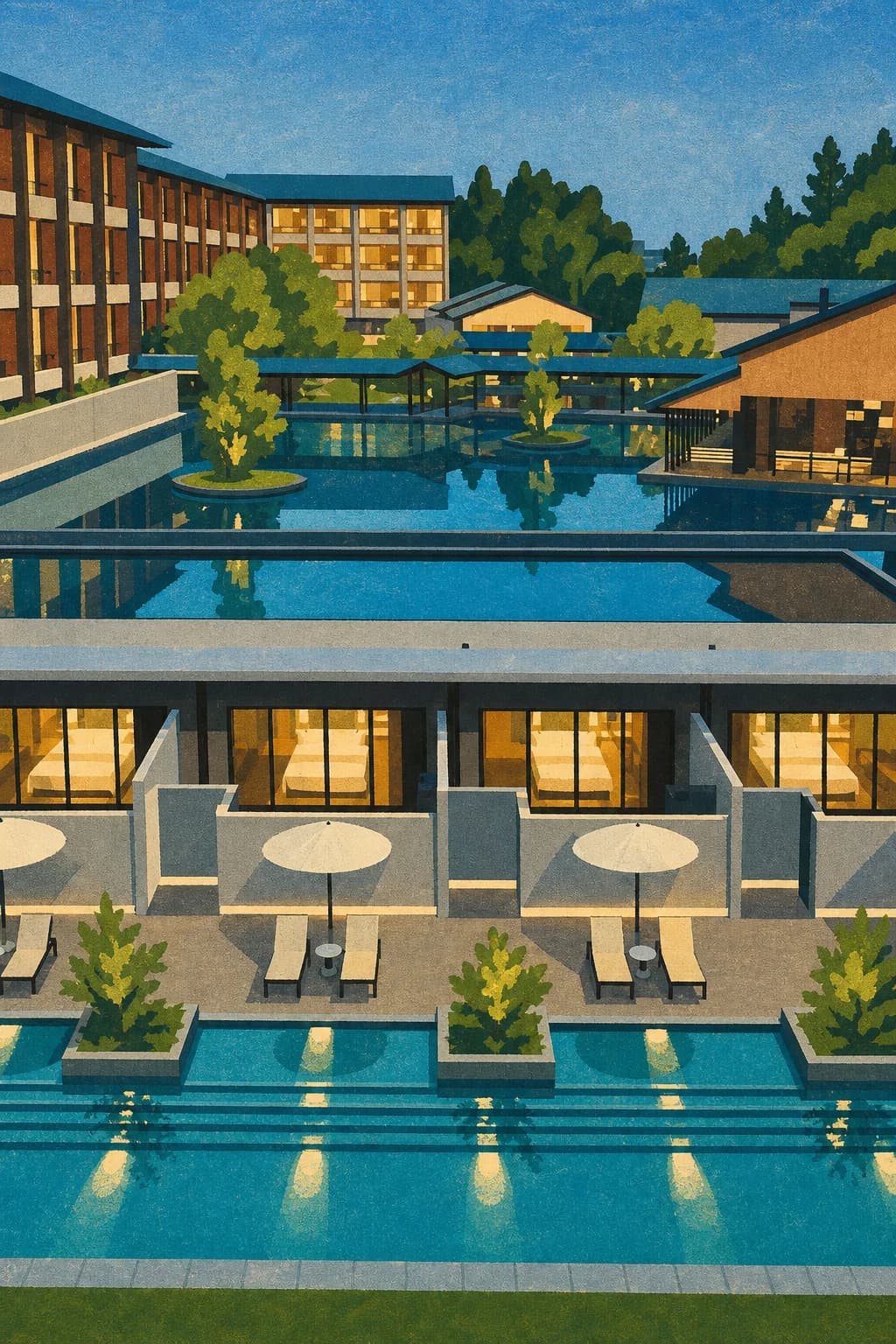
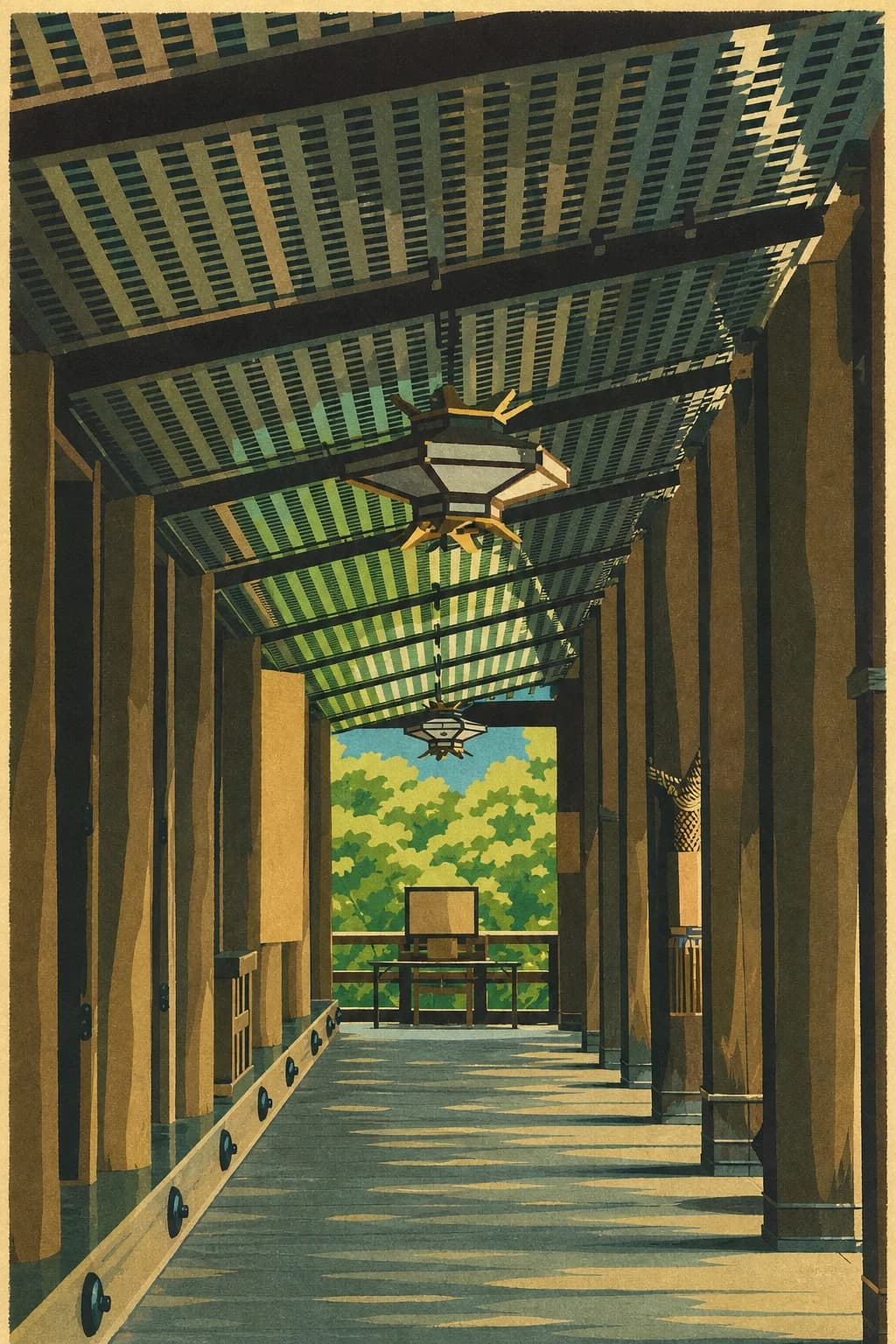
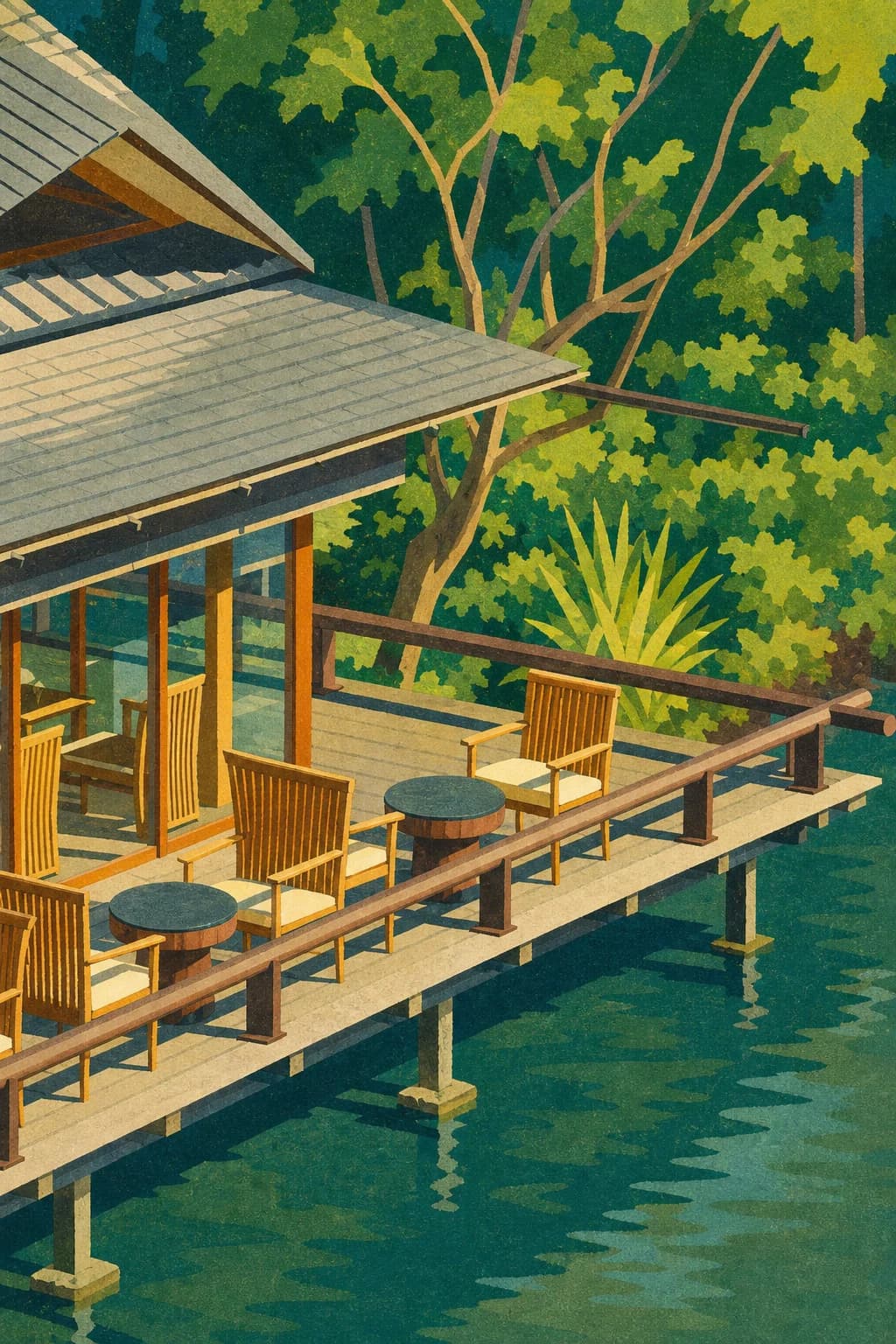
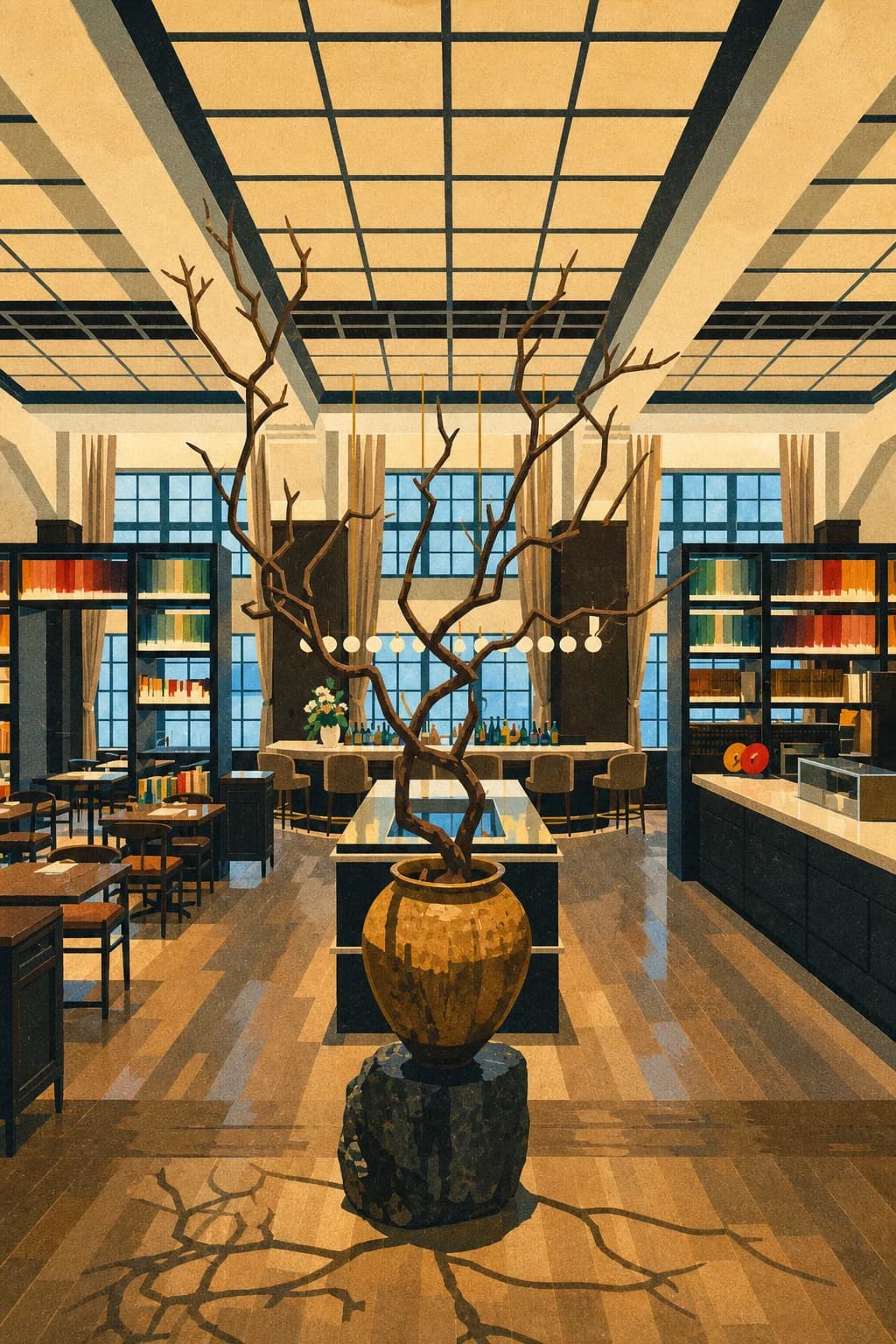
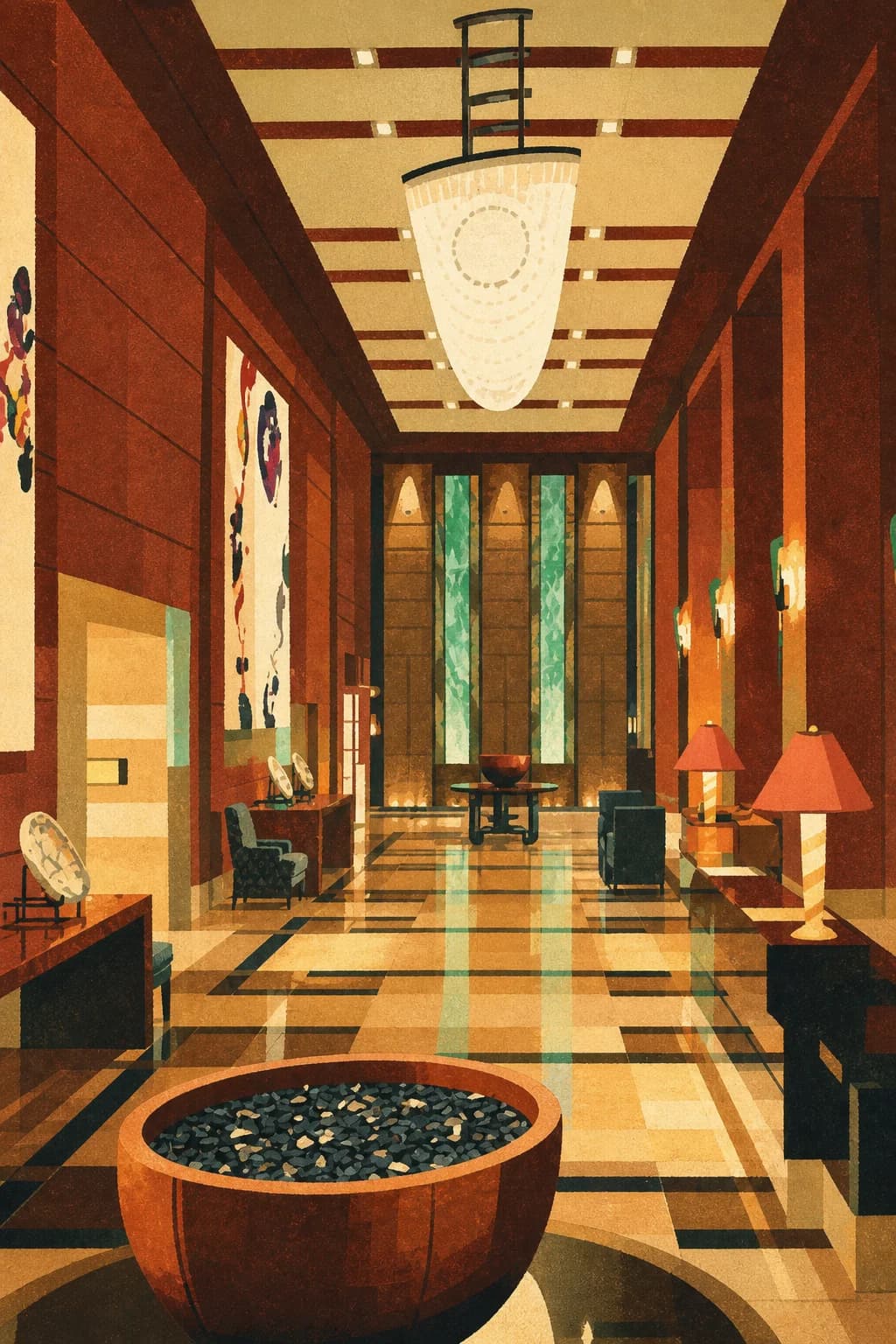
The interiors come from Blink Design Group, and the restraint is the point. Low buildings of timber, glass and stone follow the river rather than fight it, with washi paper filtering the light and rooms that open onto green. Nothing shouts. It reads as a modern take on Kyoto craft: natural materials, a muted palette, and sightlines that pull the surrounding hills indoors.
Natural Hot Spring On Site
Most Kyoto hotels send you out for the bath. ROKU has its own natural hot-spring water on site, plus a spa and an outdoor pool that few city properties can match. The restaurant, Tenjin, works local produce into a menu that leans seasonal and unfussy. After a day of temple stairs, soaking here beats fighting for a dinner table in Gion, then walking back through the crowds.
Four Centuries Of Artists
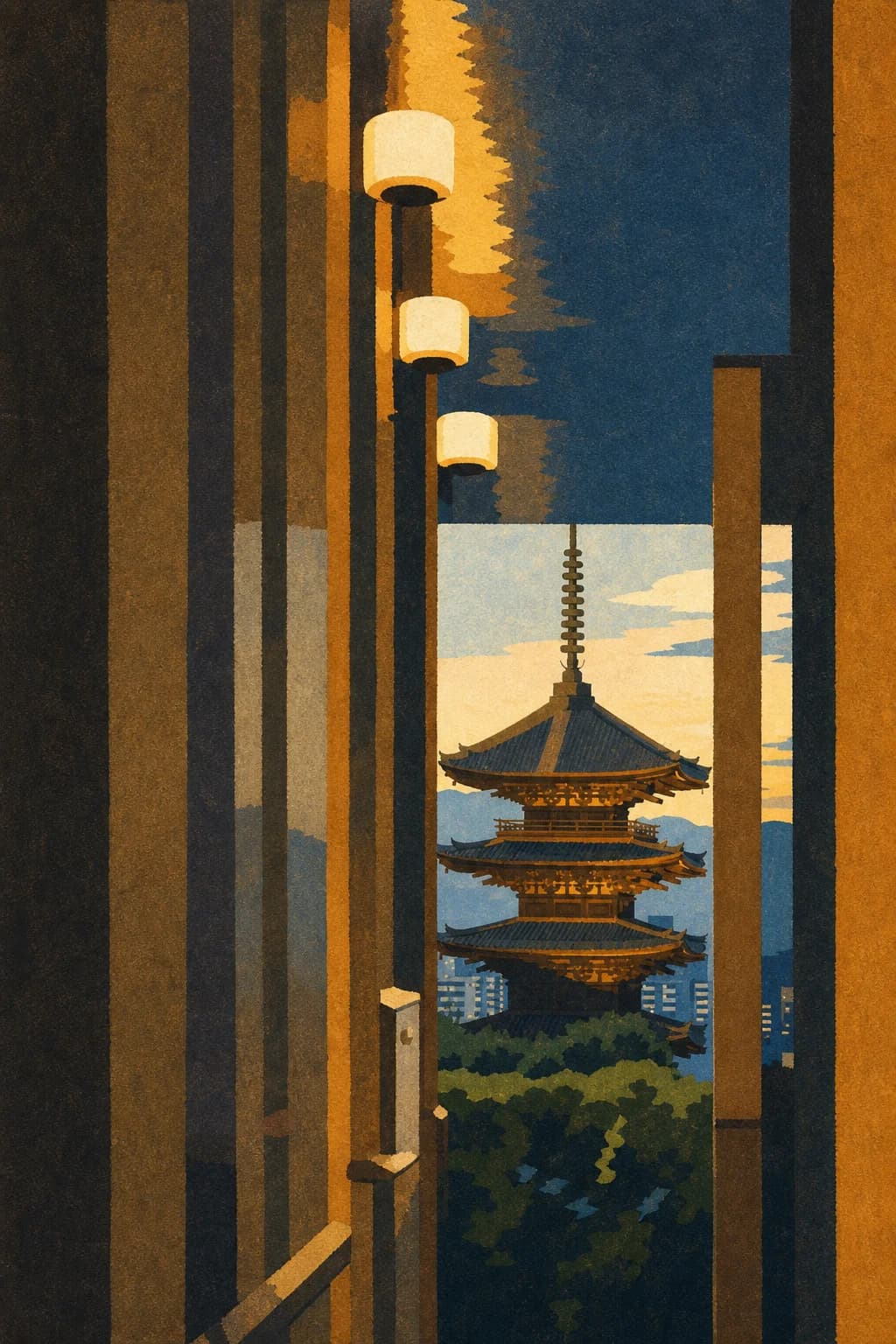
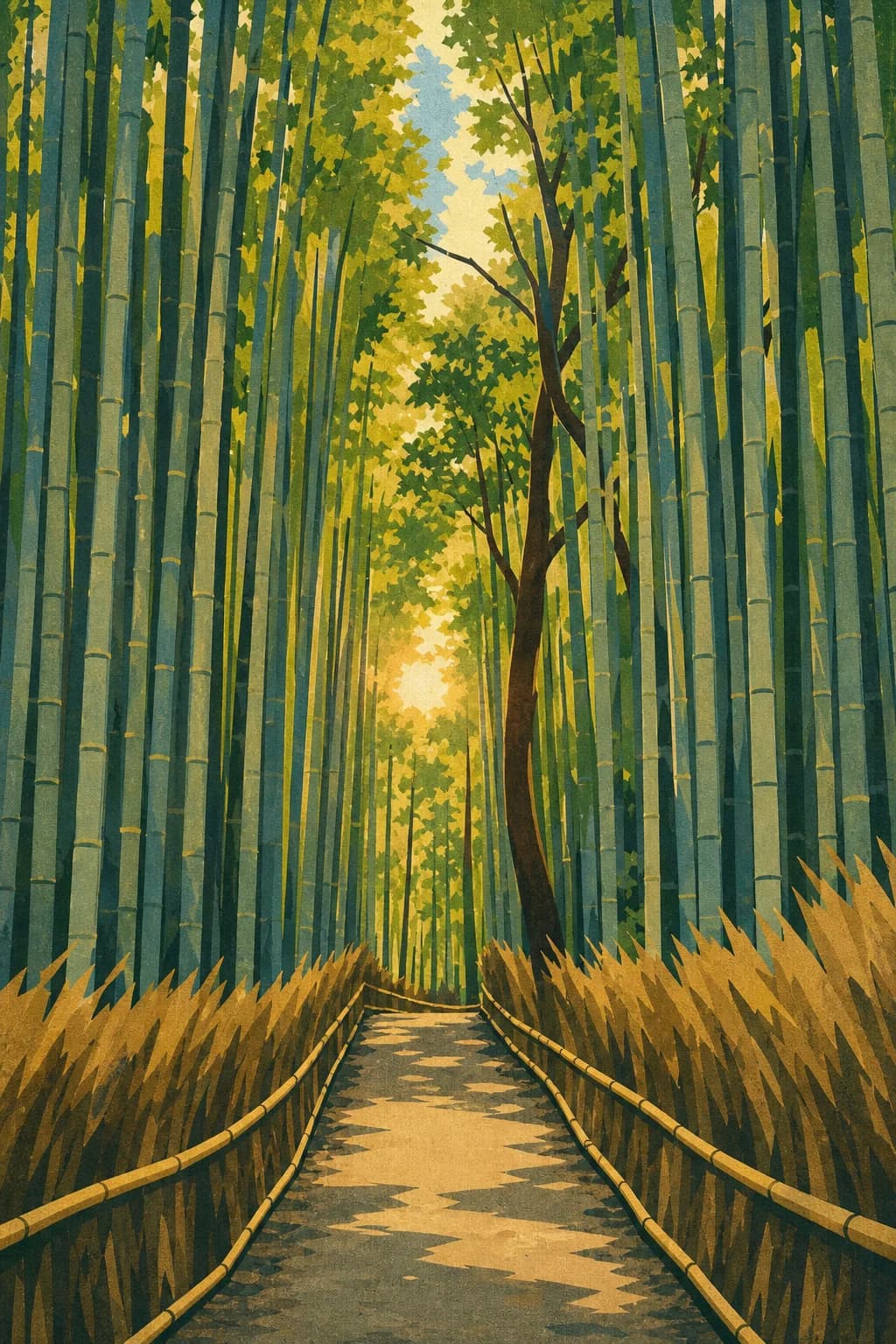
ROKU sits in Takagamine, in the Northern Hills, on the site of a roughly 400-year-old artists' colony established by Hon'ami Koetsu. That lineage still shapes the neighbourhood: quiet temples, maple gardens, and a slower Kyoto than the one on the postcards. You are a short drive from Kinkaku-ji but a world away from its selfie crush, which is the whole trade you are making by staying this far out.
talk.
mapped.
“Built on the site of a 400-year-old artists' colony established by revered Edo period craftsman Hon'ami Koetsu, the hotel walls and alcoves are graced with traditional Japanese artworks and crafts.”
record.
ROKU opened in Fall 2021 as the first LXR resort under Hilton in Asia Pacific, on ground with real history: the site of a roughly 400-year-old artists' colony established by Hon'ami Koetsu.
Blink Design Group envisioned the interiors, and the whole place leans low and quiet, pavilions of glass and timber strung along the Tenjin River, washi light, a natural hot-spring bath, gardens that do most of the talking. You come here to be away from the crowds at Kinkaku-ji, not standing in them. It works because Kyoto in peak season fills fast, and the hotels with room to breathe are the ones that fill first.
changed.
Kyoto's demand curve is one of the most legible in Japan because it is almost entirely botanical. Two events set the peaks: cherry blossom in late March and April, and maple color in November. In those windows the city runs at capacity.
The two blossom peaks are a lead-time contest, not a booking exercise. Small houses in Gion and Higashiyama get spoken for six to nine months out, and the marquee rooms go further still. If your heart is set on blossom or foliage at a specific address, treat lead time as the whole game and book the moment dates open.
The shoulder months either side reward flexibility. February and December stay busy without hitting the peak — plum blossom and year-end temple illuminations, respectively. January is genuinely quiet: cold, clear, with the occasional dusting of snow on temple roofs that photographers wait years for. These are the months to chase the houses that vanish in spring.
Summer is the real value story, and the least understood. June through September reads as low demand despite holding one of Japan's great festivals, Gion Matsuri, which fills July with float processions, plus the Daimonji bonfires on August 16. The suppressant is simple: heat and humidity climb well into the thirties, and many travelers stay away.
If you can tolerate the weather, summer is when the hardest rooms open up at the softest rates.
The practical read is a split. Peak seasons are about discipline and early commitment; shoulder and low seasons are about opportunism. Because the curve tracks leaves rather than school holidays or weather comfort, the undervalued months are the counterintuitive ones — the hot ones. Nothing in Kyoto closes across the year, so the only real constraint is the two blossom peaks and how far ahead you are willing to plan.
approach.
briefing.
“While the breakfast wasn't great and the Diamond status benefits are ok, the resort, rooms, and pool are all fantastic.”
stands.
demand's going.
The real Instagram following over time, plus where this hotel sits for demand in Kyoto. Pick a range, toggle the lines. Followers are reach and demand, not engagement.
assessment.
File closes at MODERATE. Bookable online if you plan around peak, but the Northern Hills setting is the real filter. Book it for river, forest and a hot spring on a repeat Kyoto trip; skip it if you need to be steps from the temples.
The numbers behind the tiers
ROKU KYOTO, LXR Hotels & Resorts · SOURCE READINGS · REDACTED- Availability density · sampled
- Monthly search volume · raw
- TikTok hashtag views · raw
- YouTube total views · raw
- TikTok following · latest sweep
- Pinterest saves · latest sweep
More from Kyoto.



Get the hotel's Unbookable Score.
Any post or reel with a hotel in it. Booking.com hotel pages work too. One free check, no account needed.