nol kyoto
sanjo.
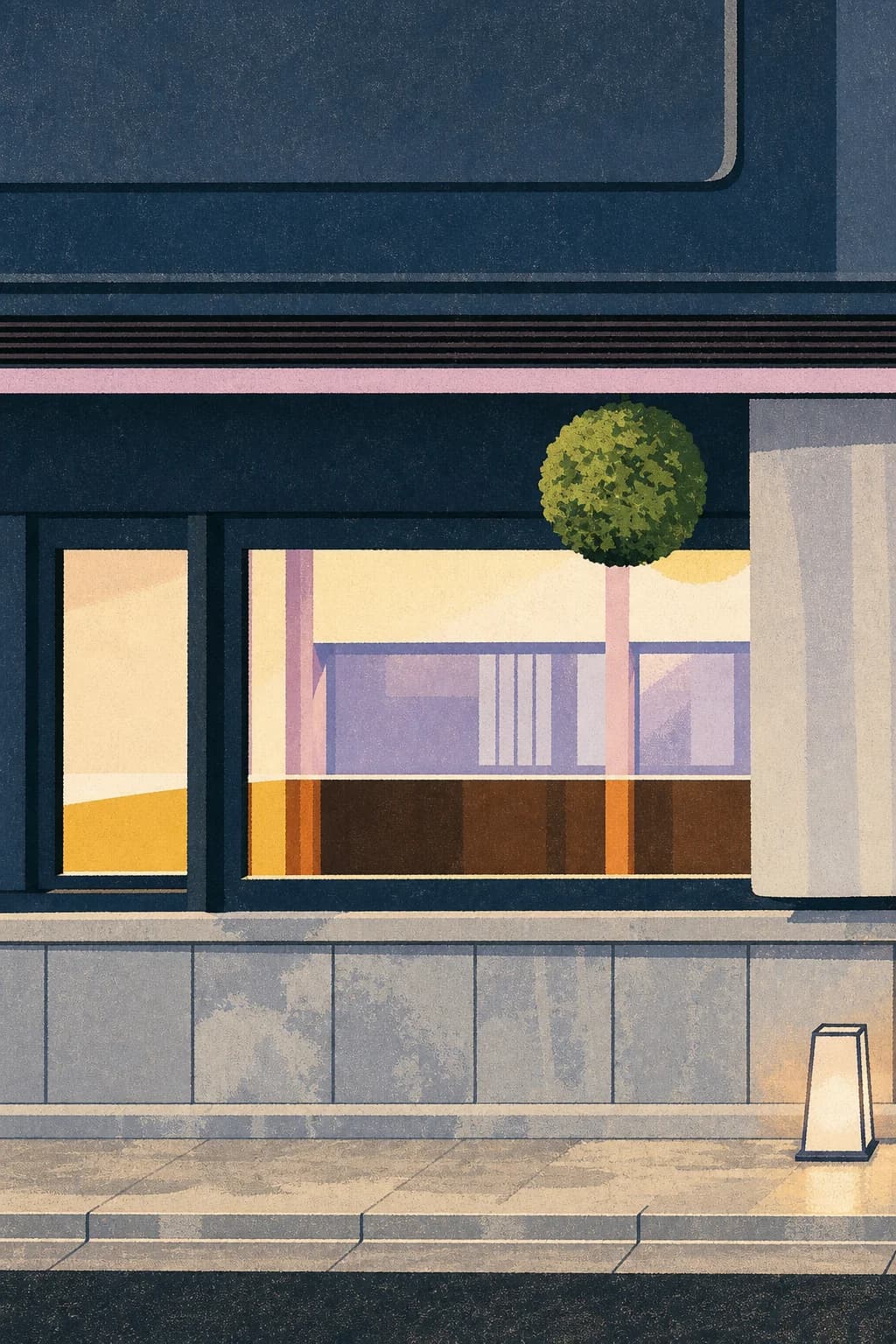
It earns attention for a specific traveller, not everyone. The design restraint and the hinoki baths are the real draw, along with the freedom to cook and stay put. If you need on-site dining or big-hotel service, the appeal thins out fast.
It is fairly under the radar for overseas visitors, who tend to default to the big brands near Kyoto Station. Japanese design press covered its opening, but it is not yet a name most foreign travellers reach for. That gap is exactly what makes it worth grabbing now.
angles.
Two Designers, One Old House
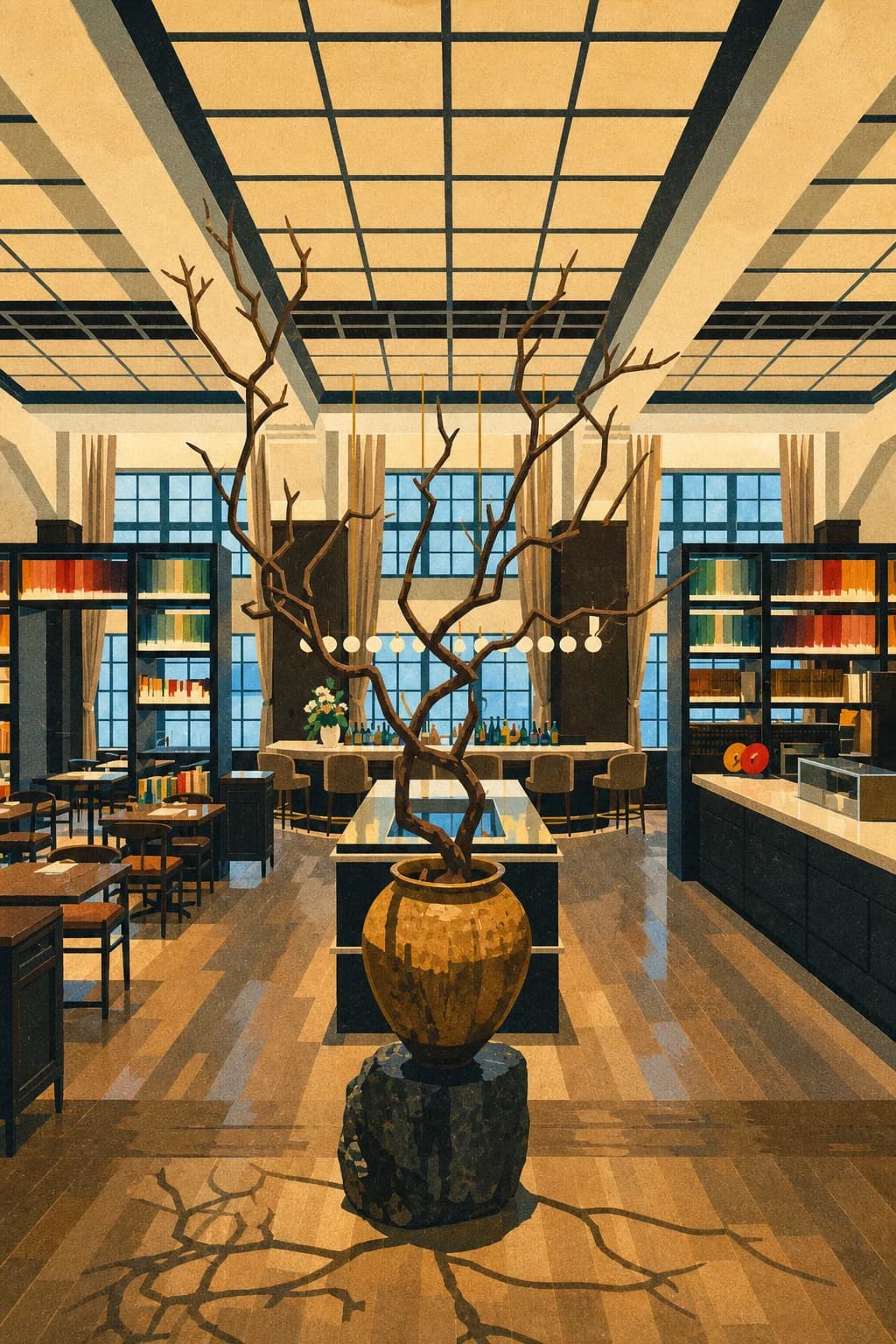
The preserved townhouse and public areas are Shigenori Uoya Architects' work, holding onto the seasoned wood and hush of the old building. The guest rooms belong to yukio hashimoto design studio, who leaned into natural materials and empty space rather than decoration. The result reads as one continuous idea: old bones, calm rooms, nothing shouting for your attention. It feels considered without feeling precious.
No Restaurant, By Design
The hotel skips its own dining room on purpose, which sounds like a gap until you realise Nishiki Market is a short walk away. Every room comes with a real kitchenette, so you can haul back tofu, pickles, seasonal fish and sake and cook them yourself. Mornings, the Sanjo streets nearby are thick with well-loved cafes. You end up eating like a resident, not a guest.
Sanjo Street, Endlessly Walkable
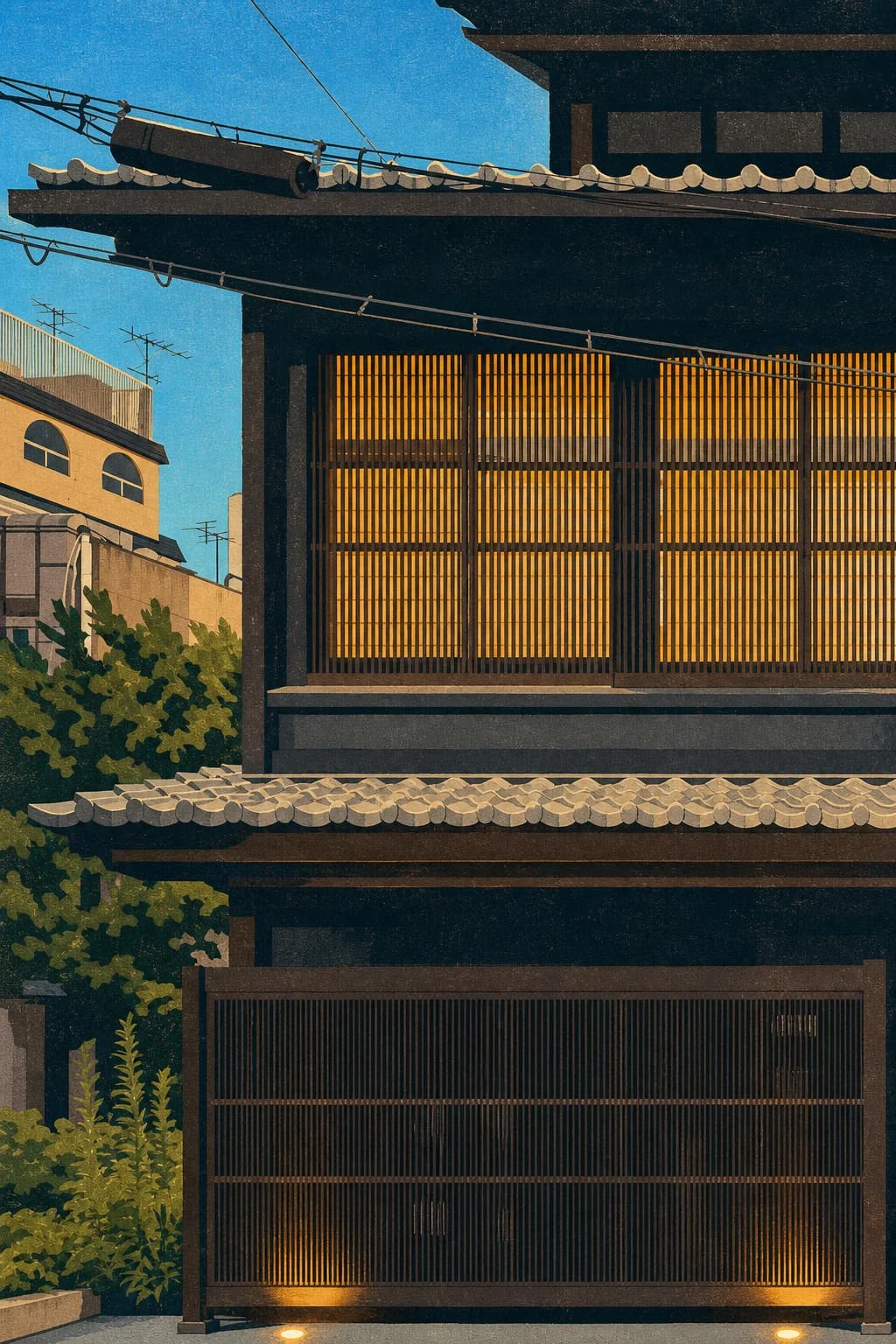
Sanjo was one of Kyoto's main thoroughfares, and the stretch here mixes old Western-style facades with traditional wooden shopfronts, stationery makers, and small restaurants. You are a few minutes on foot from Karasuma-Oike station, which puts most of downtown and the Higashiyama temples within easy reach. It is central without being frantic, the kind of block you learn by your second morning.
talk.
mapped.
record.
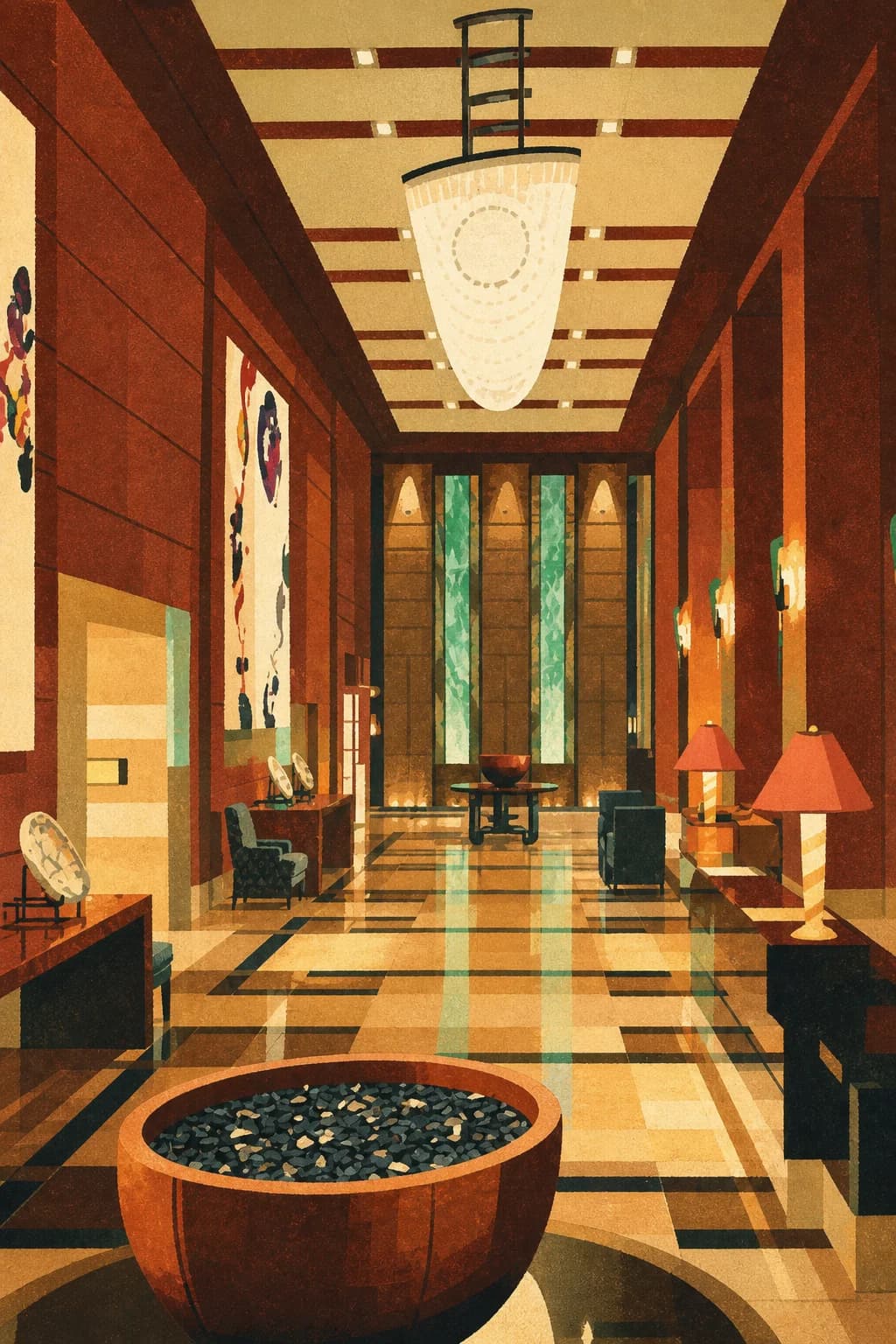
This one refuses. The public spaces and preserved townhouse lounge come from Shigenori Uoya Architects, who kept the aged wood and quiet of an old machiya intact; the guest rooms are the work of yukio hashimoto design studio, all natural texture and restraint.
A courtyard garden sits between the two, so you cross a small pocket of green every time you move from lounge to bed. Rooms run large by Kyoto standards, each with a hinoki cypress bath that scents the whole room, a kitchenette, and a washer-dryer for the long stay. There is no restaurant, on purpose: you cook what you carry back from Nishiki Market. ADF Web Magazine covered its opening. It stays broadly available, but Kyoto's peak seasons fill fast, so plan ahead.
changed.
Kyoto's demand curve is one of the most legible in Japan because it is almost entirely botanical. Two events set the peaks: cherry blossom in late March and April, and maple color in November. In those windows the city runs at capacity.
The two blossom peaks are a lead-time contest, not a booking exercise. Small houses in Gion and Higashiyama get spoken for six to nine months out, and the marquee rooms go further still. If your heart is set on blossom or foliage at a specific address, treat lead time as the whole game and book the moment dates open.
The shoulder months either side reward flexibility. February and December stay busy without hitting the peak — plum blossom and year-end temple illuminations, respectively. January is genuinely quiet: cold, clear, with the occasional dusting of snow on temple roofs that photographers wait years for. These are the months to chase the houses that vanish in spring.
Summer is the real value story, and the least understood. June through September reads as low demand despite holding one of Japan's great festivals, Gion Matsuri, which fills July with float processions, plus the Daimonji bonfires on August 16. The suppressant is simple: heat and humidity climb well into the thirties, and many travelers stay away.
If you can tolerate the weather, summer is when the hardest rooms open up at the softest rates.
The practical read is a split. Peak seasons are about discipline and early commitment; shoulder and low seasons are about opportunism. Because the curve tracks leaves rather than school holidays or weather comfort, the undervalued months are the counterintuitive ones — the hot ones. Nothing in Kyoto closes across the year, so the only real constraint is the two blossom peaks and how far ahead you are willing to plan.
approach.
briefing.
stands.
demand's going.
The real Instagram following over time, plus where this hotel sits for demand in Kyoto. Pick a range, toggle the lines. Followers are reach and demand, not engagement.
assessment.
File closes at MODERATE. Broadly available most of the year, but spring blossoms and autumn leaves fill Kyoto fast, so plan those months out. Book it if you want to cook, walk, and settle in; skip it if you need on-site dining and full-service polish.
The numbers behind the tiers
nol kyoto sanjo · SOURCE READINGS · REDACTED- Availability density · sampled
- Monthly search volume · raw
- TikTok hashtag views · raw
- YouTube total views · raw
- TikTok following · latest sweep
- Pinterest saves · latest sweep
More from Kyoto.





Get the hotel's Unbookable Score.
Any post or reel with a hotel in it. Booking.com hotel pages work too. One free check, no account needed.