Hotel Granvia
Kyoto.
2 critic reviews
filed.
If the draw is convenience and city views, yes, it delivers both better than almost anywhere in Kyoto. If you arrived expecting a serene traditional retreat, this modern tower over a rail hub is not that. Set your expectations to base camp, not sanctuary, and it earns its keep.
Not exactly under the radar: it is one of Kyoto's best-known station hotels and books briskly at peak. The real hidden gem here is the 15th-floor Sky Lounge, which plenty of guests never think to visit for a sunset drink over the tracks and Kyoto Tower.
angles.
Architecture You Walk Straight Into
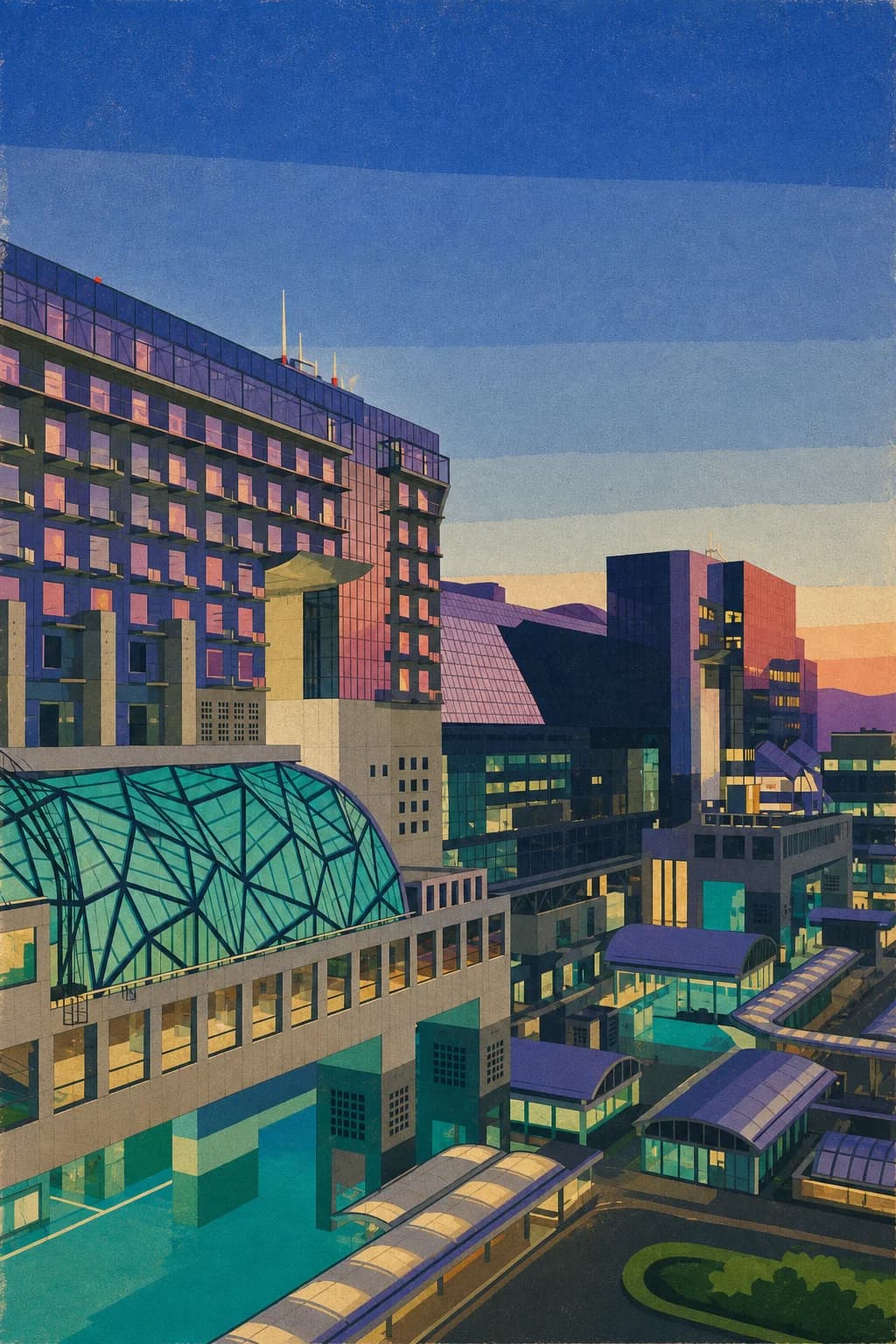
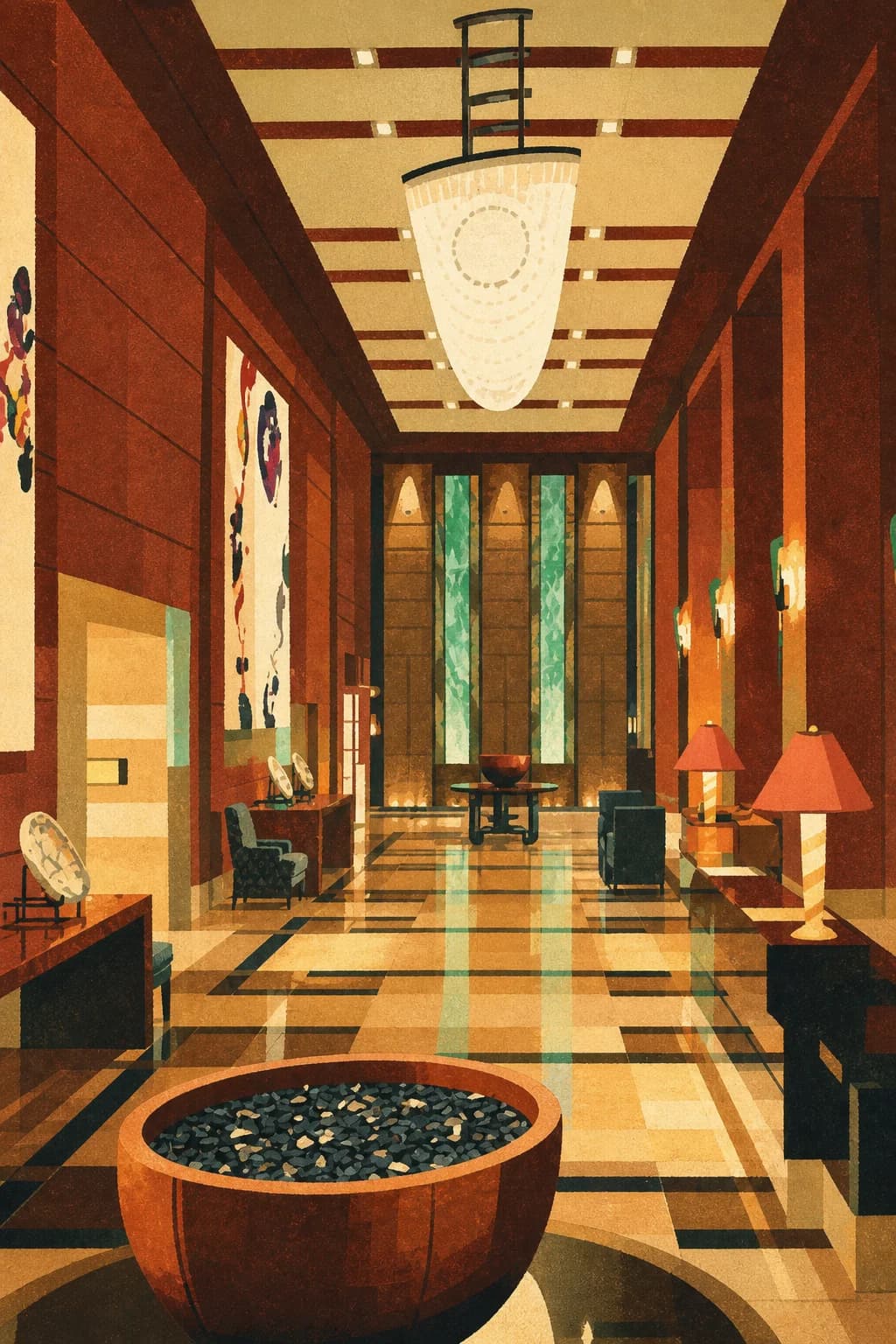
The whole hotel sits inside the Kyoto Station Building, the cavernous steel-and-glass complex designed by architect Hara Hiroshi, with its canyon of an atrium and open-air rooftop terraces. Guest floors thread through it from seven to fifteen, and more than a thousand pieces of contemporary art line the corridors and public spaces. You are staying inside a working piece of the city's modern landmark.
Eleven Kitchens, One Elevator Ride
Eleven cafes and restaurants spread across four floors cover Japanese, Chinese and Western cooking, plus a bakery and pastry counter for grab-and-go mornings. Several of the 15th-floor rooms serve dinner against sweeping city views, and the Sky Lounge pours drinks over the platforms below. Breakfast through nightcap, you never have to leave the building to eat well.
Every Train Leaves From Downstairs
Downstairs is JR Kyoto Station, the region's transport heart: shinkansen to Osaka and beyond, local lines to Nara and Uji, and a bus terminal fanning out to every temple. Two big food courts, The Cube and Eat Paradise, sit minutes from the lobby. For a city where getting around eats your day, sleeping on top of the network is a genuine cheat code.
talk.
mapped.
“Located at Kyoto Station, the hotel is noteworthy for its good service and fusion of ultramodern design and traditional Japanese style.”
record.
Hotel Granvia occupies the upper floors of the Kyoto Station Building, the vast steel-and-glass complex designed by architect Hara Hiroshi, and connects straight into the concourse through the Karasuma central gate. Inside, 535 rooms climb from the seventh floor to the fifteenth, wrapped in more than a thousand pieces of contemporary art and looking out over a skyline pierced by Kyoto Tower.
Up top, the Sky Lounge stares down at the shinkansen sliding in and out of the platforms below. It is unabashedly modern in a city that trades on the old, and that is exactly the appeal: a calm, glassy base camp for temple-hopping. Rooms fill fast when cherry blossom and autumn colour arrive, so plan around the seasons.
changed.
Kyoto's demand curve is one of the most legible in Japan because it is almost entirely botanical. Two events set the peaks: cherry blossom in late March and April, and maple color in November. In those windows the city runs at capacity.
The two blossom peaks are a lead-time contest, not a booking exercise. Small houses in Gion and Higashiyama get spoken for six to nine months out, and the marquee rooms go further still. If your heart is set on blossom or foliage at a specific address, treat lead time as the whole game and book the moment dates open.
The shoulder months either side reward flexibility. February and December stay busy without hitting the peak — plum blossom and year-end temple illuminations, respectively. January is genuinely quiet: cold, clear, with the occasional dusting of snow on temple roofs that photographers wait years for. These are the months to chase the houses that vanish in spring.
Summer is the real value story, and the least understood. June through September reads as low demand despite holding one of Japan's great festivals, Gion Matsuri, which fills July with float processions, plus the Daimonji bonfires on August 16. The suppressant is simple: heat and humidity climb well into the thirties, and many travelers stay away.
If you can tolerate the weather, summer is when the hardest rooms open up at the softest rates.
The practical read is a split. Peak seasons are about discipline and early commitment; shoulder and low seasons are about opportunism. Because the curve tracks leaves rather than school holidays or weather comfort, the undervalued months are the counterintuitive ones — the hot ones. Nothing in Kyoto closes across the year, so the only real constraint is the two blossom peaks and how far ahead you are willing to plan.
approach.
briefing.
“The Kyoto Hotel Granvia is not only the best hotel in the Kyoto Station area, it's also the most convenient, since it located directly above the station itself.”
stands.
demand's going.
The real Instagram following over time, plus where this hotel sits for demand in Kyoto. Pick a range, toggle the lines. Followers are reach and demand, not engagement.
assessment.
File closes at MODERATE. Widely bookable most of the year, this station-top tower suits logistics-first travellers who want Kyoto at platform level. Book direct, aim high for views, and plan months ahead for blossom and autumn. Romantics after old Kyoto should look elsewhere.
The numbers behind the tiers
Hotel Granvia Kyoto · SOURCE READINGS · REDACTED- Availability density · sampled
- Monthly search volume · raw
- TikTok hashtag views · raw
- YouTube total views · raw
- TikTok following · latest sweep
- Pinterest saves · latest sweep
More from Kyoto.


Get the hotel's Unbookable Score.
Any post or reel with a hotel in it. Booking.com hotel pages work too. One free check, no account needed.