Nazuna Kyoto
Nijo-jo.
2 critic reviews
filed.
For travellers who want a machiya over a tower hotel, it earns its keep: real wooden architecture, a private bath in every room, and a kitchen that outperforms its five-suite footprint. It is not budget and it is not full-service, so the appeal holds only if intimacy is the thing you actually want.
With no Instagram presence and only a couple of English-language write-ups, it flies well under the radar for a property this polished. Genuine hidden gem territory, as long as you are the kind of traveller who seeks out five-room inns rather than name-brand ryokan.
angles.
A Townhouse Kyoto Nearly Lost
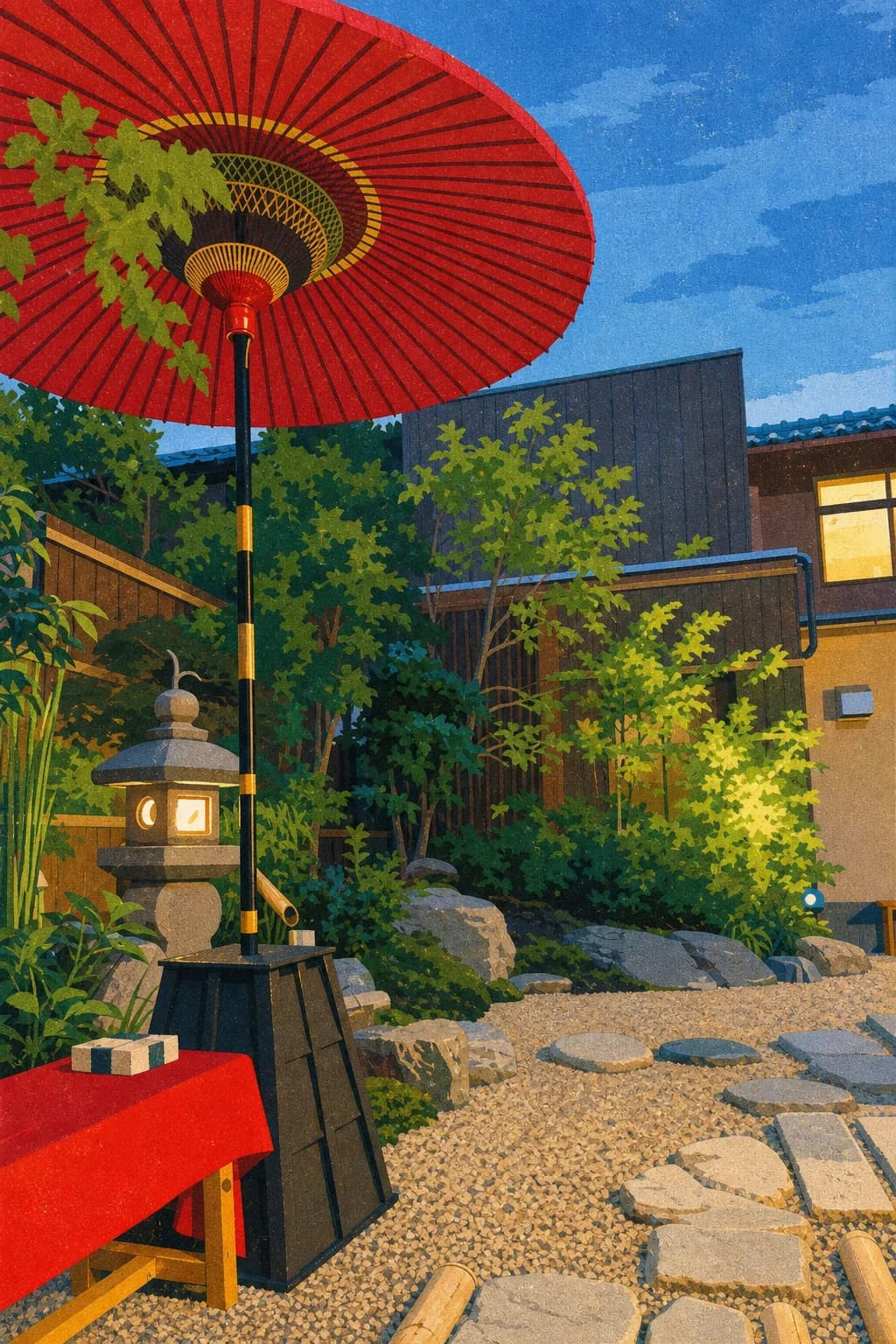
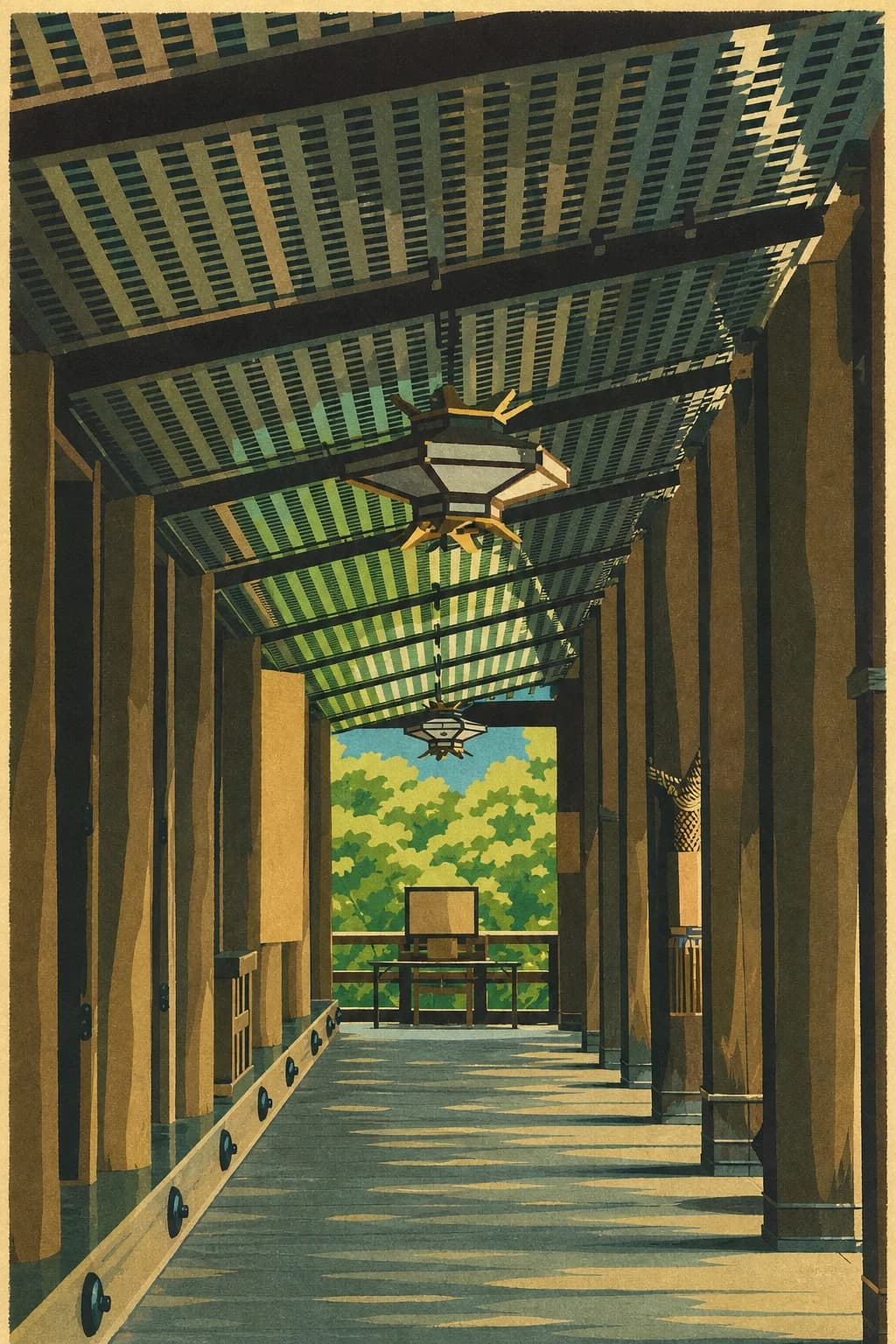
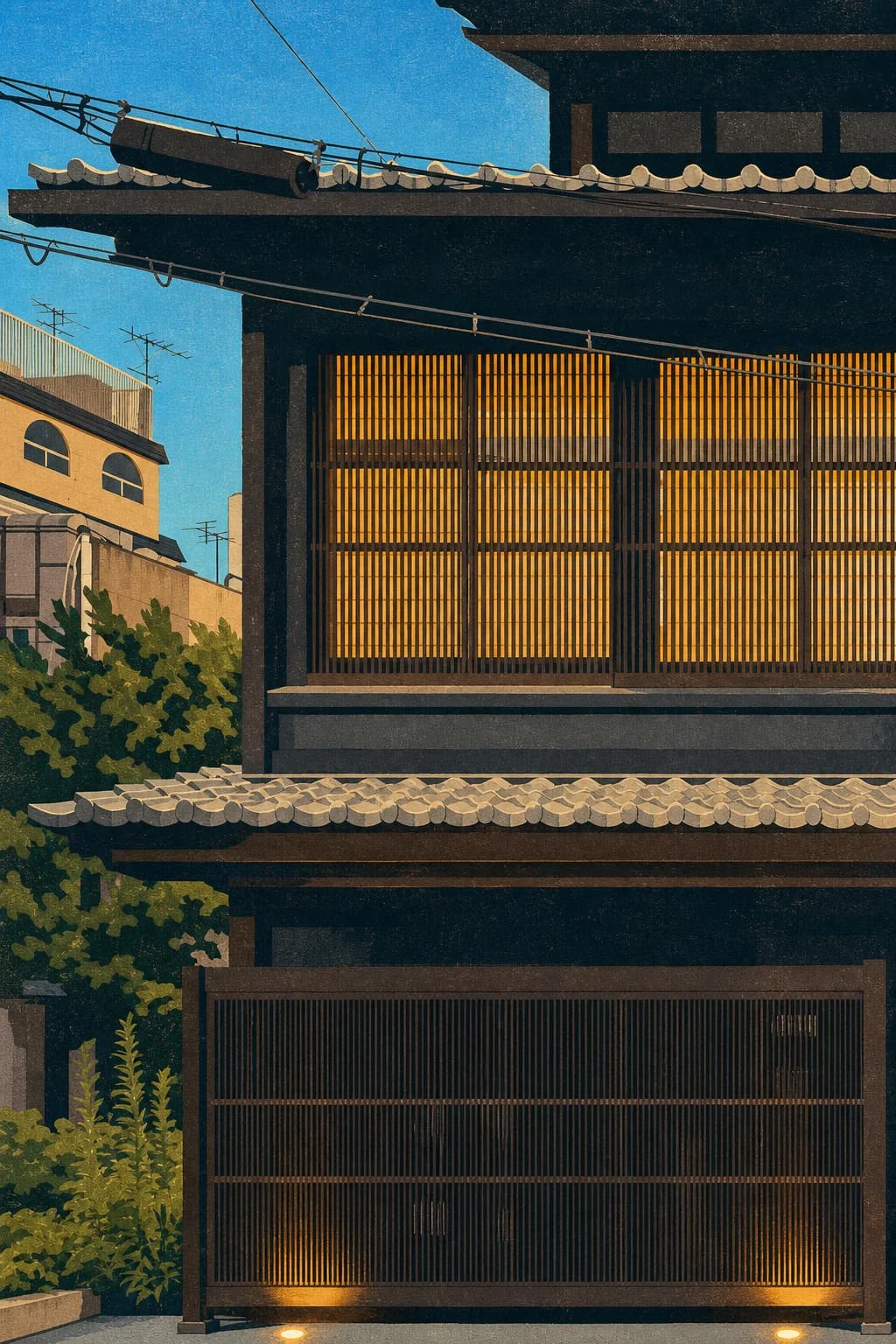
The bones are a genuine Kyomachiya, the narrow wooden townhouse form that defined old Kyoto and has been demolished across the city for years. The restoration kept the timber and the low, layered light, then dropped in Simmons beds and heirloom futons. Antiques sit beside artwork that changes with whichever local artisan is showing, so no two stays photograph exactly the same.
Breakfast Over a Sunken Hearth
Morning is cooked irori style, around the traditional sunken hearth, with seasonal dishes and rice from a supplier whose lineage reaches back to the Edo period. Book ahead and dinner becomes sukiyaki built on A4 Wagyu and Kyoto produce, served in your suite. For a five-room inn, the kitchen punches well above the room count.
Nijo Castle Around the Corner
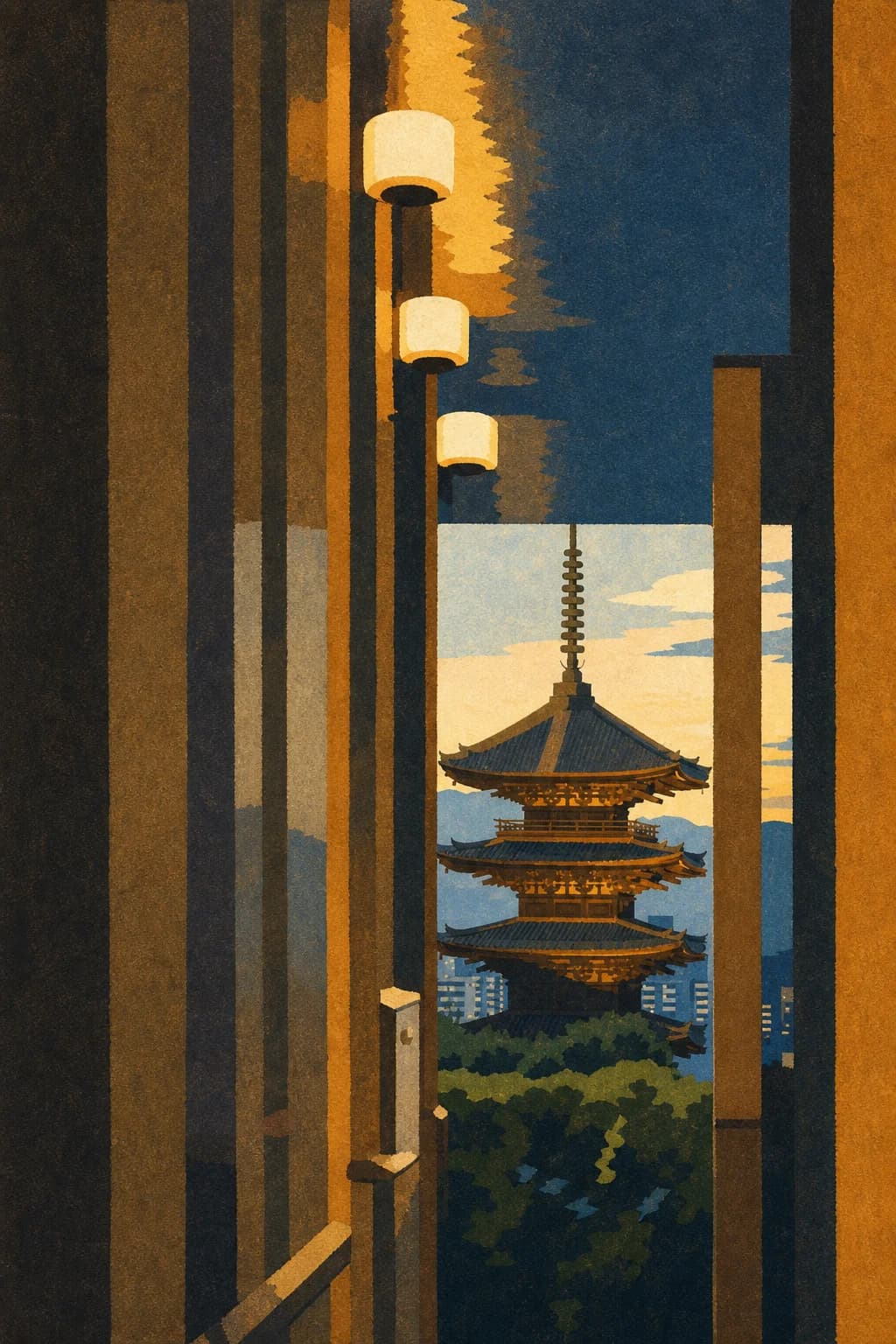
The address sits in the Nijo and Nishijin belt, a few minutes on foot from Nijo Castle and its shogun-era grounds. This is working, residential Kyoto, the old weaving quarter and quiet lanes rather than the Gion crush. Kyoto Station is about eleven minutes by taxi, close enough for day trips but far enough to sleep in silence.
talk.
mapped.
“Nazuna Kyoto Nijo-jo features a lovely outdoor rock garden, a tranquil space to go with your thoughts, to meditate, or to just be at peace in a natural environment.”
record.
That is the whole hotel. When a machiya near Nijo Castle holds only five suites and gets written up by both JustLuxe and MK Guide, getting in gets tight fast. The building is a restored Kyomachiya, one of the wooden townhouses Kyoto has been quietly losing for decades, reopened as an inn in 2016. Inside, the suites carry tea names: Gyokuro, Genmaicha, Maccha, Houjicha, and the standalone Bettei.
Each pairs a Simmons bed with futons from an old Kyoto bedding house, antiques you would expect, and rotating artwork from local makers you would not. Every room has its own open-air or semi-open-air bath, which also means tattooed guests soak without a second look. Breakfast is cooked irori style, over a sunken hearth, with rice from a house whose roots run to the Edo period. Small places fill quietly.
changed.
Kyoto's demand curve is one of the most legible in Japan because it is almost entirely botanical. Two events set the peaks: cherry blossom in late March and April, and maple color in November. In those windows the city runs at capacity.
The two blossom peaks are a lead-time contest, not a booking exercise. Small houses in Gion and Higashiyama get spoken for six to nine months out, and the marquee rooms go further still. If your heart is set on blossom or foliage at a specific address, treat lead time as the whole game and book the moment dates open.
The shoulder months either side reward flexibility. February and December stay busy without hitting the peak — plum blossom and year-end temple illuminations, respectively. January is genuinely quiet: cold, clear, with the occasional dusting of snow on temple roofs that photographers wait years for. These are the months to chase the houses that vanish in spring.
Summer is the real value story, and the least understood. June through September reads as low demand despite holding one of Japan's great festivals, Gion Matsuri, which fills July with float processions, plus the Daimonji bonfires on August 16. The suppressant is simple: heat and humidity climb well into the thirties, and many travelers stay away.
If you can tolerate the weather, summer is when the hardest rooms open up at the softest rates.
The practical read is a split. Peak seasons are about discipline and early commitment; shoulder and low seasons are about opportunism. Because the curve tracks leaves rather than school holidays or weather comfort, the undervalued months are the counterintuitive ones — the hot ones. Nothing in Kyoto closes across the year, so the only real constraint is the two blossom peaks and how far ahead you are willing to plan.
approach.
briefing.
“Nazuna Kyoto Nijo-jo is a small, ryokan-style property near Nijō Castle, built from carefully restored machiya townhouses arranged around quiet inner courtyards.”
stands.
demand's going.
The real Instagram following over time, plus where this hotel sits for demand in Kyoto. Pick a range, toggle the lines. Followers are reach and demand, not engagement.
assessment.
File closes at ACCESSIBLE. Five tea-named suites in a restored machiya by Nijo Castle, each with a private bath. Book it if you want intimate, design-led Kyoto without ryokan-palace prices; skip it if you need a full-service hotel with round-the-clock staff.
The numbers behind the tiers
Nazuna Kyoto Nijo-jo · SOURCE READINGS · REDACTED- Availability density · sampled
- Monthly search volume · raw
- TikTok hashtag views · raw
- YouTube total views · raw
- TikTok following · latest sweep
- Pinterest saves · latest sweep
More from Kyoto.



Get the hotel's Unbookable Score.
Any post or reel with a hotel in it. Booking.com hotel pages work too. One free check, no account needed.