HOSHINOYA
Kyoto.
2 critic reviews
filed.
Largely, yes. The boat arrival and the all-river-facing rooms deliver an experience most Kyoto hotels simply can't match, and the restraint of the design ages well. Just know you are paying for isolation and ritual, not for a buzzy base to explore the city from.
Not exactly under the radar; with over 200,000 Instagram followers and a well-known brand, it sits on serious Japan itineraries. But the boat-only access keeps it quieter and less trafficked than its fame suggests, so on-property it can still feel like a secret.
angles.
The building keeps its bones
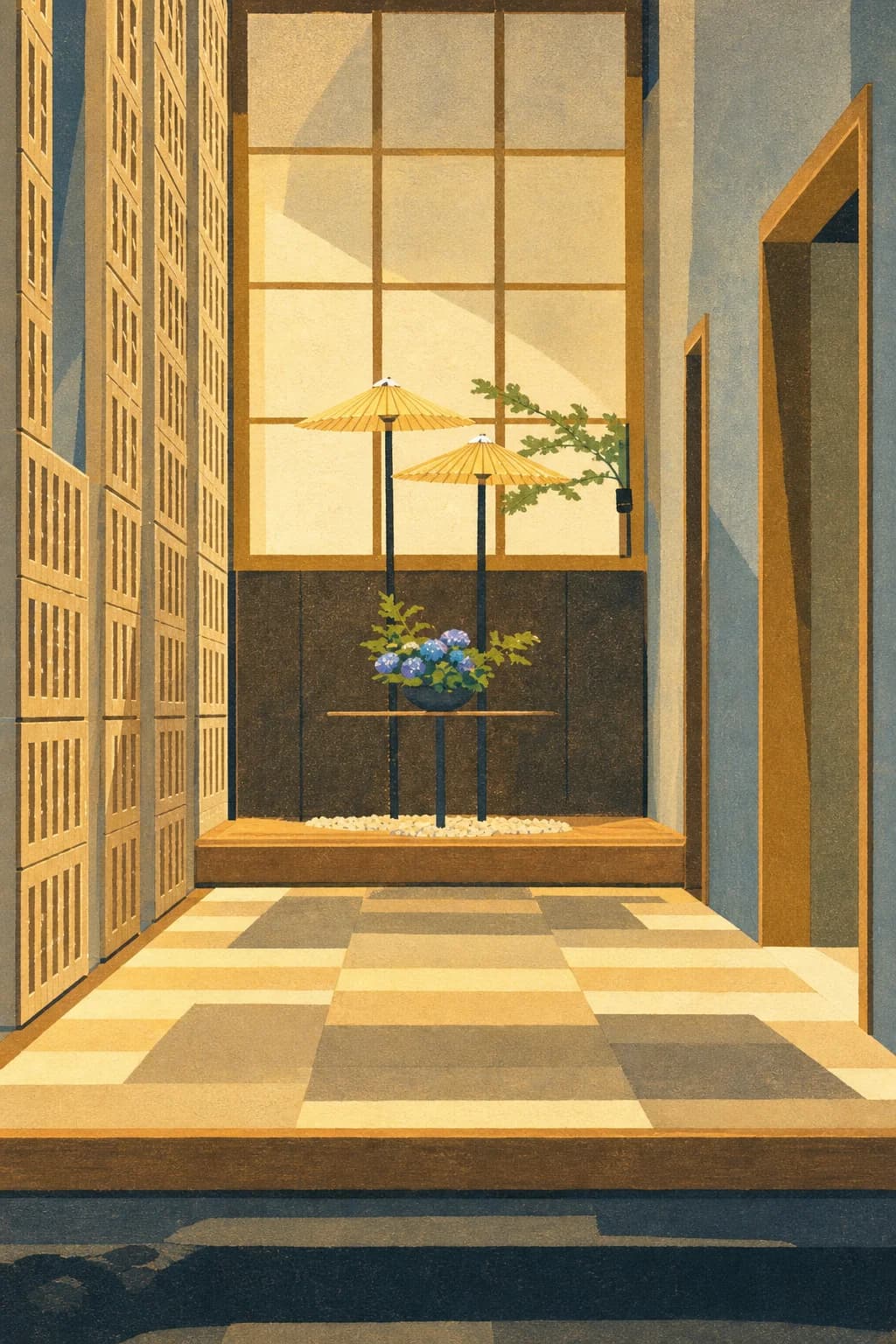
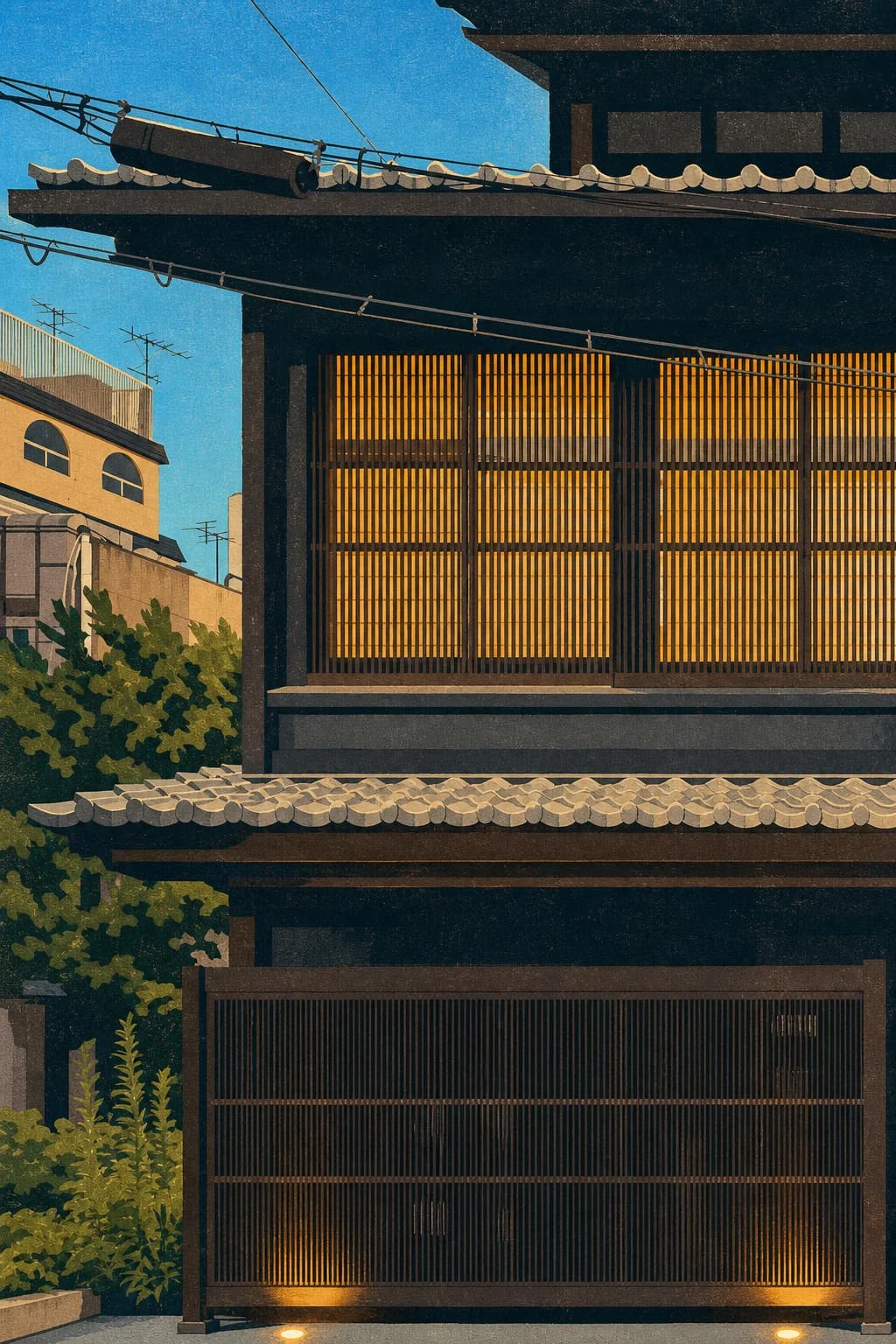
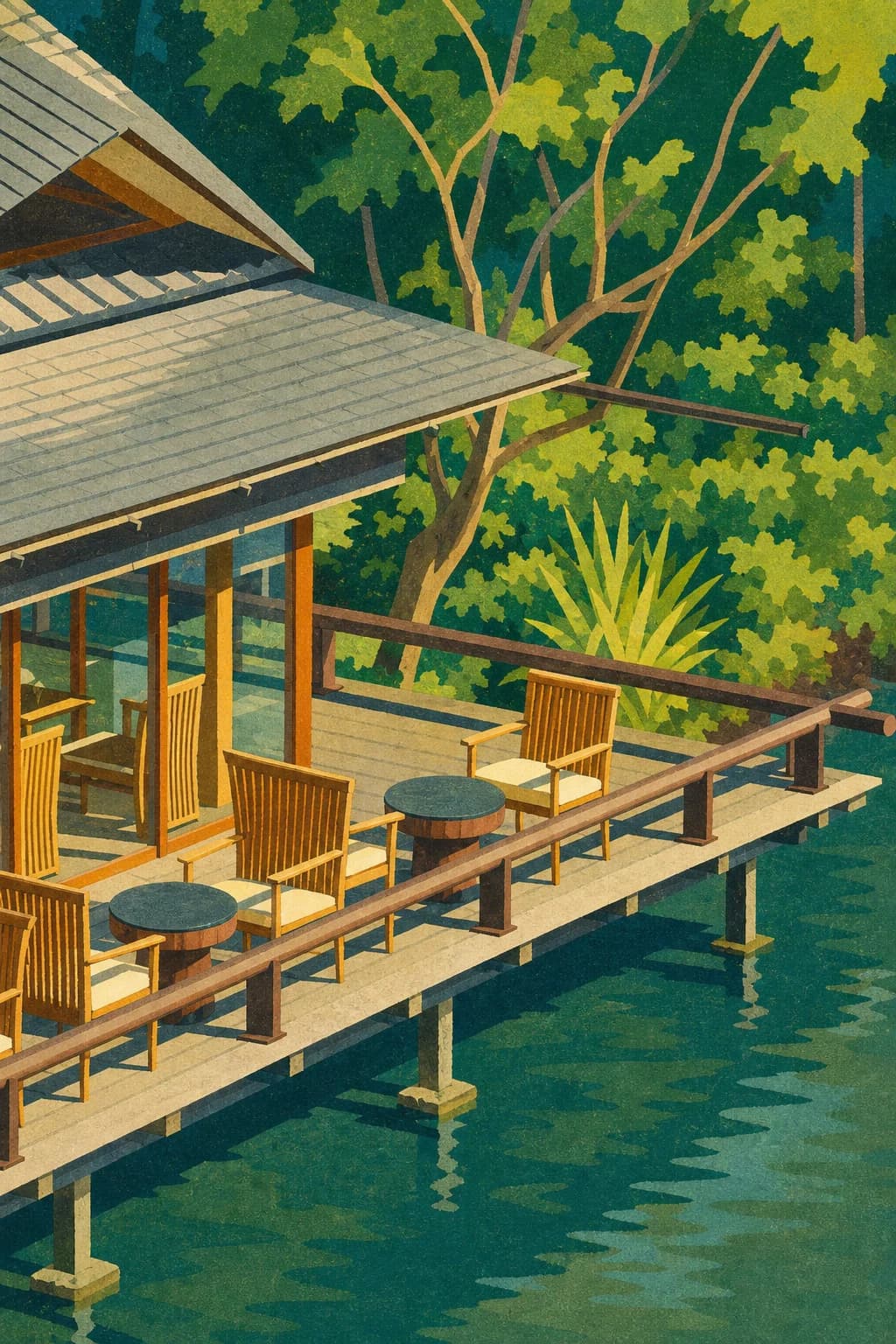
Rie Azuma of Azuma Architect & Associates worked with what was already here rather than over it. The result reads as a Kyoto machiya stretched along a riverbank: low dark-timber lines, shoji screens that slide open onto the water, stone and gravel courts between the pavilions. Rooms carry period detail like gold-leaf paper and lattice, but the mood is restraint, not display. The river does the talking.
Kaiseki built on the river
Dinner is kaiseki, multi-course and keyed to the season, served in-room or in the dining pavilion so the river stays in frame. Expect Kyoto vegetables, river fish, and a rhythm of small precise plates rather than one big showpiece. Breakfast leans traditional Japanese. The kitchen assumes you came to slow down and eat the way the calendar tells it to, not to graze.
Arrival by water only
You do not drive up. Guests transfer by the property's own boat from Togetsukyo Bridge, roughly fifteen minutes up the Oi through the Arashiyama gorge, and that crossing severs you from the day-tripper crowds jamming the bridge behind you. On site the river sets the pace: guided walks, tea, and cruises on the house Yakata boat. When water levels or weather interrupt the boat, a vehicle shuttle stands in.
talk.
mapped.
“Hugging the banks of a deep river gorge, surrounded by verdant jungle, Hoshinoya Kyoto transports you to a bygone age that feels as authentic as its traditional Japanese hospitality.”
record.
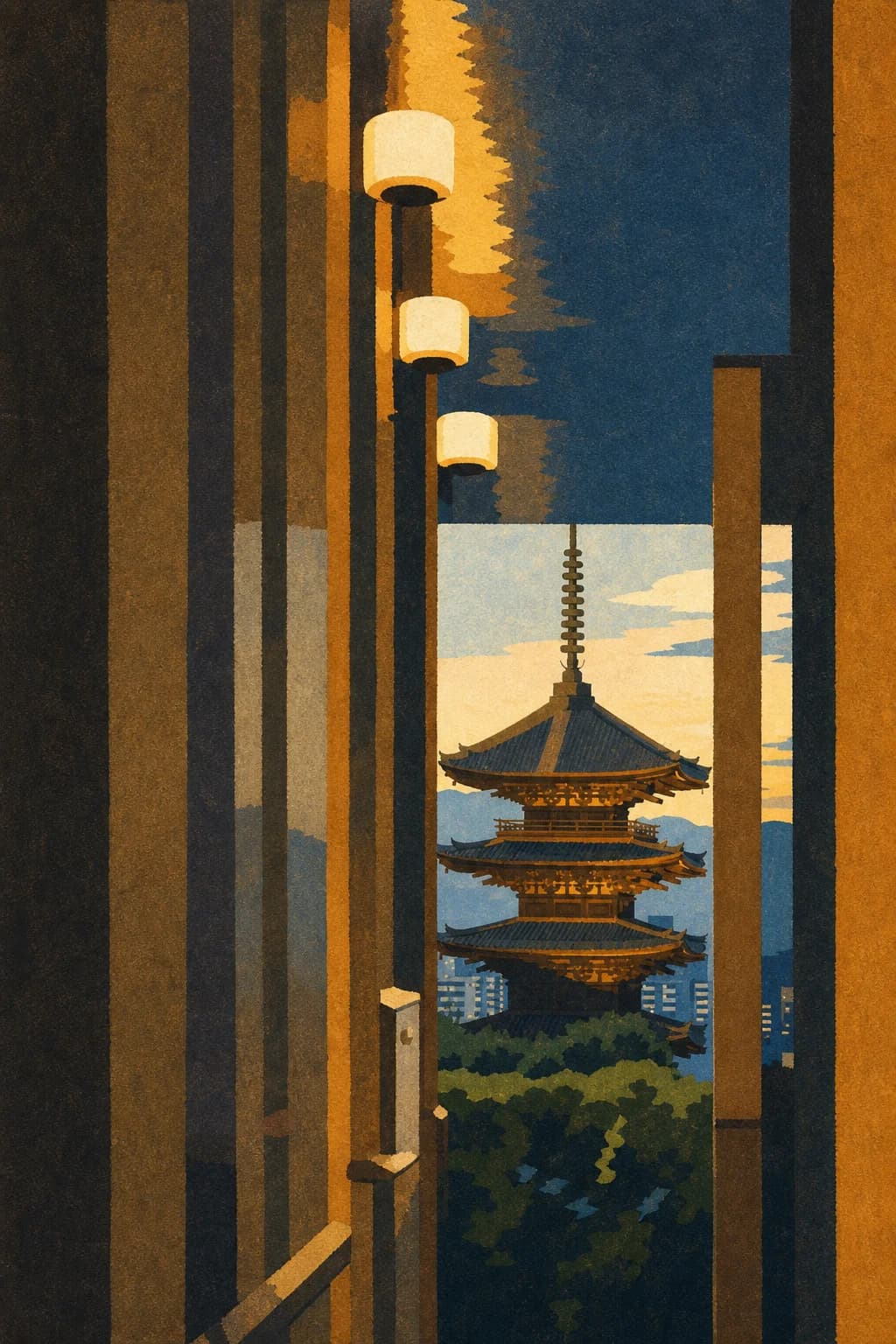
To check in, you board a private boat at Togetsukyo Bridge and glide fifteen minutes up the Oi River, past forested slopes, until the road noise of Arashiyama disappears behind you. That arrival is the point. HOSHINOYA Kyoto opened in 2009, built from a ryokan that had stood on this riverbank for a century, and the architecture by Rie Azuma of Azuma Architect & Associates keeps the old bones: machiya townhouse geometry, shoji screens, dark timber, verandas that hang over moving water.
All 25 rooms face the river. Days here run on the current: a morning on the water, a kaiseki dinner tied to the season, the sound of the Oi through the night. It is available to book, but a 25-room riverside address reachable only by boat fills fast when the maples turn, so plan for the season you want.
changed.
Kyoto's demand curve is one of the most legible in Japan because it is almost entirely botanical. Two events set the peaks: cherry blossom in late March and April, and maple color in November. In those windows the city runs at capacity.
The two blossom peaks are a lead-time contest, not a booking exercise. Small houses in Gion and Higashiyama get spoken for six to nine months out, and the marquee rooms go further still. If your heart is set on blossom or foliage at a specific address, treat lead time as the whole game and book the moment dates open.
The shoulder months either side reward flexibility. February and December stay busy without hitting the peak — plum blossom and year-end temple illuminations, respectively. January is genuinely quiet: cold, clear, with the occasional dusting of snow on temple roofs that photographers wait years for. These are the months to chase the houses that vanish in spring.
Summer is the real value story, and the least understood. June through September reads as low demand despite holding one of Japan's great festivals, Gion Matsuri, which fills July with float processions, plus the Daimonji bonfires on August 16. The suppressant is simple: heat and humidity climb well into the thirties, and many travelers stay away.
If you can tolerate the weather, summer is when the hardest rooms open up at the softest rates.
The practical read is a split. Peak seasons are about discipline and early commitment; shoulder and low seasons are about opportunism. Because the curve tracks leaves rather than school holidays or weather comfort, the undervalued months are the counterintuitive ones — the hot ones. Nothing in Kyoto closes across the year, so the only real constraint is the two blossom peaks and how far ahead you are willing to plan.
approach.
briefing.
“The uninterrupted haven is a former Heian nobles' retreat, with stunning views overlooking the river's blue and green shades as they change across the seasons.”
stands.
demand's going.
The real Instagram following over time, plus where this hotel sits for demand in Kyoto. Pick a range, toggle the lines. Followers are reach and demand, not engagement.
assessment.
File closes at MODERATE. A 25-room, boat-access riverside ryokan that fills fast at peak. Book direct and lock your season months out if you want autumn or blossoms. Ideal for retreat-seekers; skip it if you need central Kyoto and nightlife at your feet.
The numbers behind the tiers
HOSHINOYA Kyoto · SOURCE READINGS · REDACTED- Availability density · sampled
- Monthly search volume · raw
- TikTok hashtag views · raw
- YouTube total views · raw
- TikTok following · latest sweep
- Pinterest saves · latest sweep
More from Kyoto.

Get the hotel's Unbookable Score.
Any post or reel with a hotel in it. Booking.com hotel pages work too. One free check, no account needed.