THE THOUSAND
KYOTO.
4 critic reviews
filed.
Largely, yes. The architecture earns its award and the location is genuinely unmatched for train-based itineraries. Just come for the calm and the convenience, not for old-Kyoto romance, which lives on the other side of town.
Not exactly hidden, given the address and the following it has built, but underrated by travellers who assume a station hotel means a soulless one. Design-minded visitors who prize a quiet, well-made room over a picturesque lane will find more here than the location suggests.
angles.
A temple in station clothing
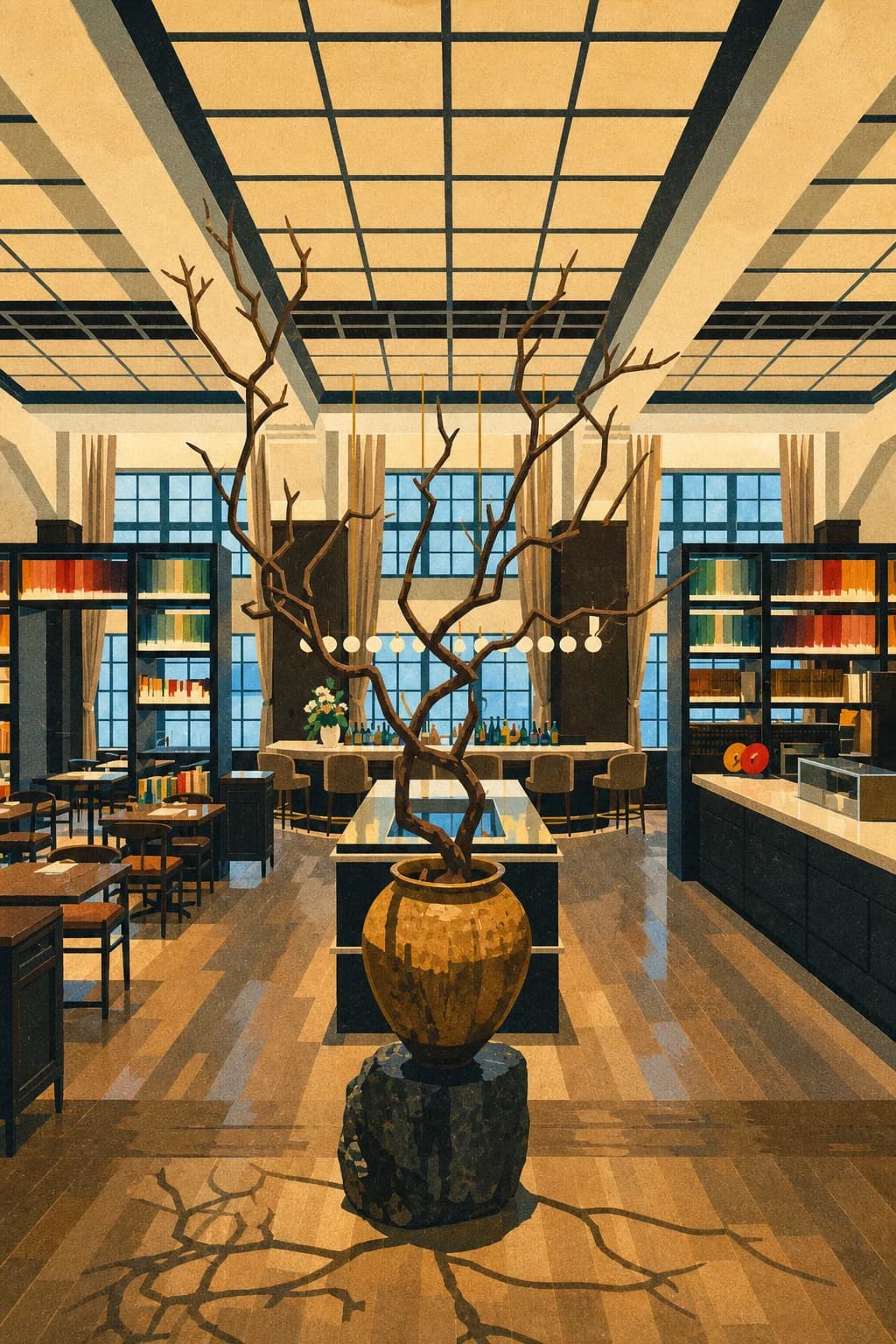
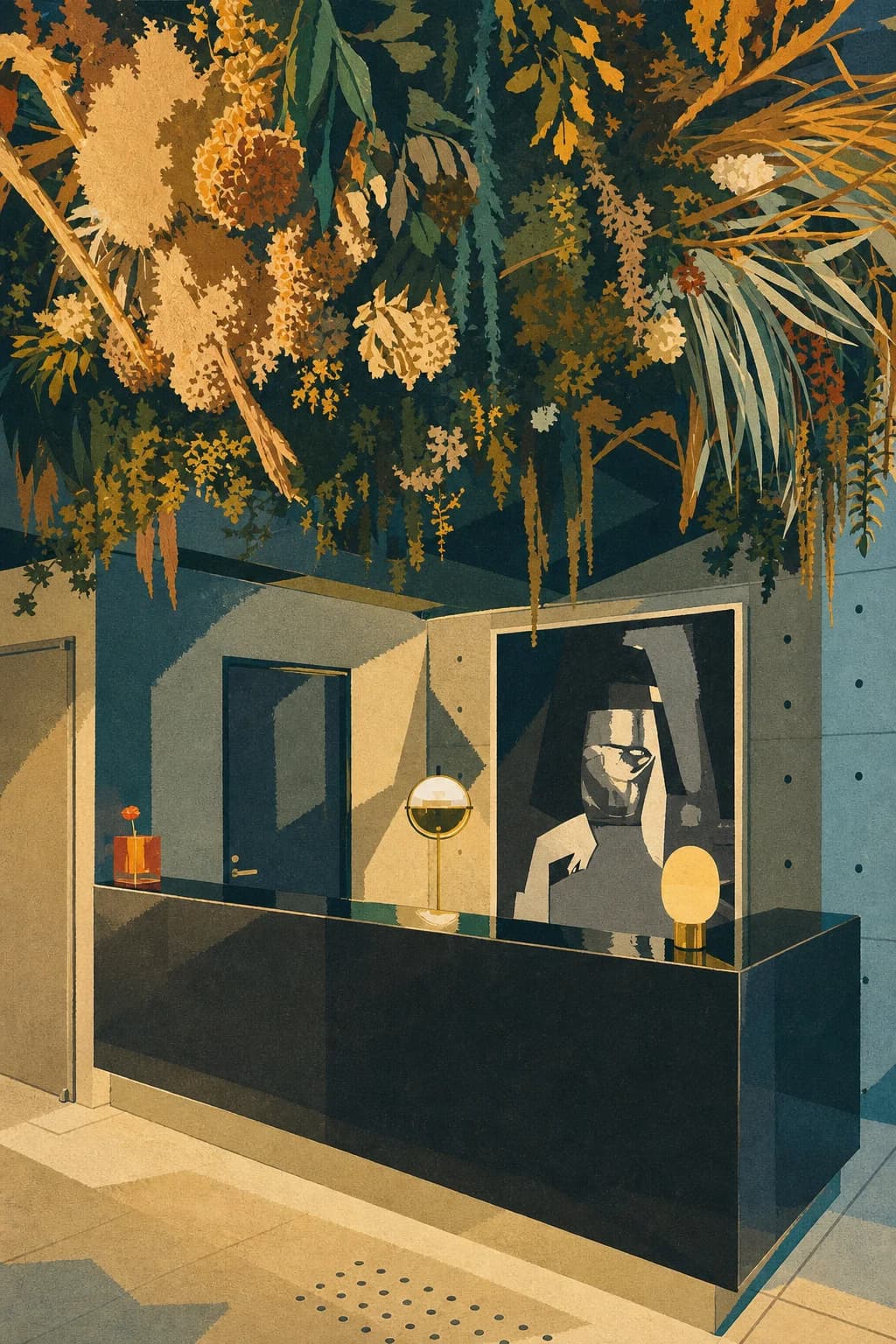
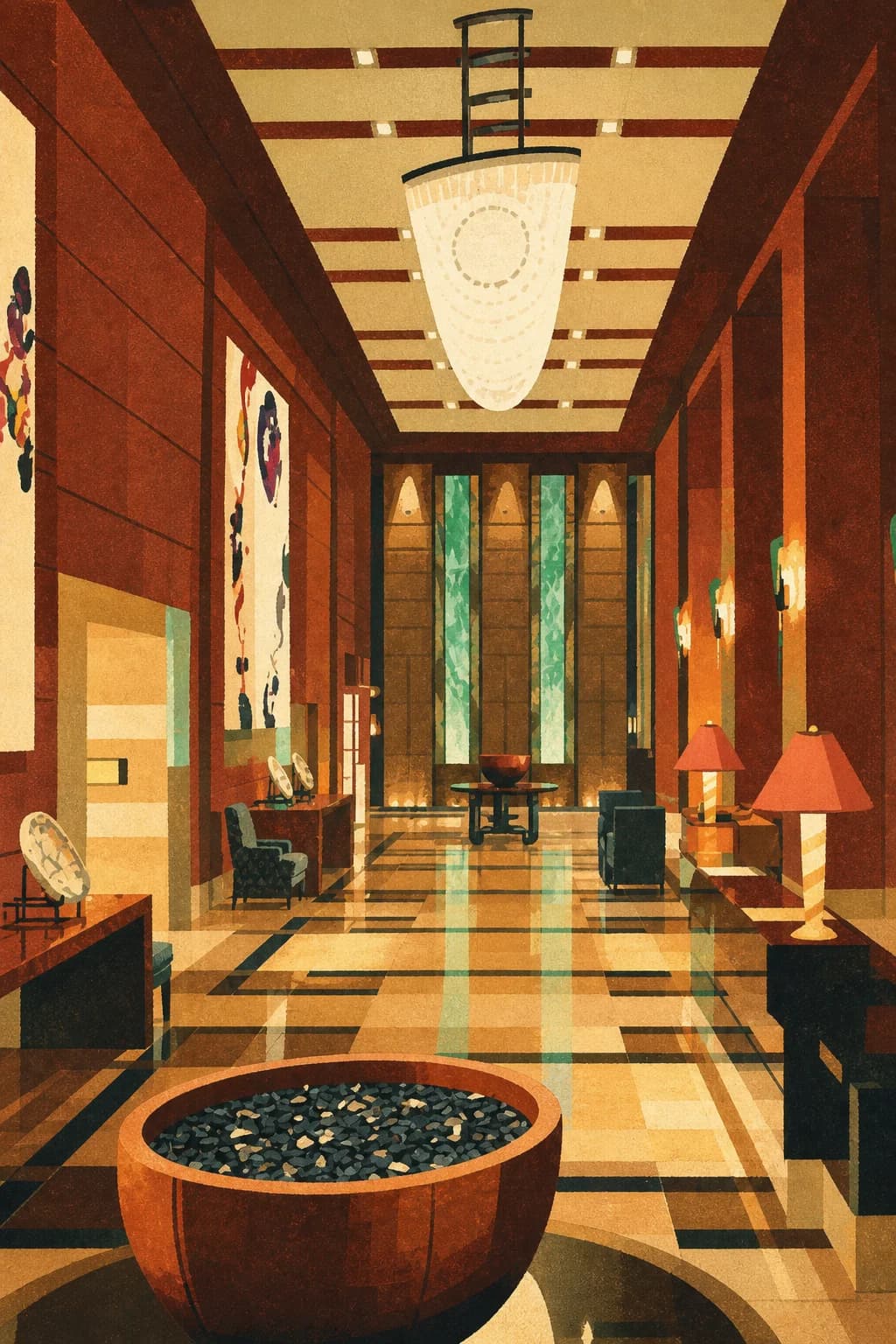
The lobby is the statement: a vast, airy volume with a monumental dark grey stone staircase running up its spine, lit so softly that people slow down without being told to. Kushimoto's team leaned on Japanese minimalism, natural wood tones and internal gardens rather than ornament. The Architecture MasterPrize recognized it in the Hospitality Architecture category, and standing in that lobby you see the case for it.
Kaiseki downstairs, Italian next door
Breakfast alone justifies staying in. Kizahashi does a proper Japanese morning: Miyama yuba, premium dashi, Saikyo-yaki fish, rice served two ways. Come evening it turns to kaiseki and kappo. Next door, Scalae runs an open Italian kitchen with a chef's table and honest pasta, which sounds incongruous in Kyoto until you taste it. Two very different rooms, both worth booking before you arrive.
Two minutes to the platform
The JR Central gate is a two-minute walk, which in practice means you can be on a train to Nara, Osaka or the shinkansen before most visitors have found their platform. Kyoto Tower is four minutes on foot, Kawaramachi's shopping and food about five. The immediate blocks around the station are workmanlike rather than pretty, but as a base for actually seeing Kyoto, it is hard to beat.
talk.
mapped.
“I love the design of The Thousand Kyoto, which seamlessly blends traditional Japanese aesthetics and Zen elements with modern architecture.”
record.
That is the trick this place pulls off. Tohata Architects & Engineers, with lead architect Yusuke Kushimoto, built a 222-room hotel that reads more like a modern temple than a station property: a cavernous lobby, a dark grey stone staircase rising through the middle, pale natural wood, and small internal gardens that pull daylight deep inside.
The Architecture MasterPrize recognized it in the Hospitality Architecture category, and standing there you understand why. Rooms are wide, uncluttered, built from calm materials and calmer light. It is the rare Kyoto hotel where convenience and quiet are not a trade. That combination fills the calendar fast, so peak weeks and cherry-blossom season want planning well ahead.
changed.
Kyoto's demand curve is one of the most legible in Japan because it is almost entirely botanical. Two events set the peaks: cherry blossom in late March and April, and maple color in November. In those windows the city runs at capacity.
The two blossom peaks are a lead-time contest, not a booking exercise. Small houses in Gion and Higashiyama get spoken for six to nine months out, and the marquee rooms go further still. If your heart is set on blossom or foliage at a specific address, treat lead time as the whole game and book the moment dates open.
The shoulder months either side reward flexibility. February and December stay busy without hitting the peak — plum blossom and year-end temple illuminations, respectively. January is genuinely quiet: cold, clear, with the occasional dusting of snow on temple roofs that photographers wait years for. These are the months to chase the houses that vanish in spring.
Summer is the real value story, and the least understood. June through September reads as low demand despite holding one of Japan's great festivals, Gion Matsuri, which fills July with float processions, plus the Daimonji bonfires on August 16. The suppressant is simple: heat and humidity climb well into the thirties, and many travelers stay away.
If you can tolerate the weather, summer is when the hardest rooms open up at the softest rates.
The practical read is a split. Peak seasons are about discipline and early commitment; shoulder and low seasons are about opportunism. Because the curve tracks leaves rather than school holidays or weather comfort, the undervalued months are the counterintuitive ones — the hot ones. Nothing in Kyoto closes across the year, so the only real constraint is the two blossom peaks and how far ahead you are willing to plan.
approach.
briefing.
“As soon as I step into the cavernous lobby of The Thousand Hotel, I am mesmerised by its outstanding design and Japanese minimalism.”
stands.
demand's going.
The real Instagram following over time, plus where this hotel sits for demand in Kyoto. Pick a range, toggle the lines. Followers are reach and demand, not engagement.
assessment.
File closes at MODERATE. Book it if you want a calm, well-designed room and a two-minute jump on every train in Kyoto; skip it if old-town atmosphere matters more than convenience. Peak and blossom weeks fill fast, so plan ahead.
The numbers behind the tiers
THE THOUSAND KYOTO · SOURCE READINGS · REDACTED- Availability density · sampled
- Monthly search volume · raw
- TikTok hashtag views · raw
- YouTube total views · raw
- TikTok following · latest sweep
- Pinterest saves · latest sweep
More from Kyoto.

Get the hotel's Unbookable Score.
Any post or reel with a hotel in it. Booking.com hotel pages work too. One free check, no account needed.